
Why Tile Layout Planning Impacts Your Home’s Design
Most british homeowners find that tile layout has a bigger impact on their interiors than they expect. A well-planned arrangement of tiles can transform an ordinary room into a striking showcase while improving practicality. Precise layout choices often reduce tile waste by 15 to 20 percent, saving both money and effort. This article shares proven tile planning principles so North Yorkshire residents can blend beauty with smart efficiency in their next renovation project.
Table of Contents
- Defining Tile Layout Planning Principles
- Exploring Popular Tile Patterns and Styles
- How Proper Layout Boosts Visual Impact
- Reducing Waste and Ensuring Cost-Efficiency
- Avoiding Typical Mistakes in Tile Planning
Key Takeaways
| Point | Details |
|---|---|
| Comprehensive Layout Planning | Effective tile layout planning relies on meticulous measurement and pattern optimisation to enhance visual appeal and functionality. |
| Popular Patterns Influence Design | Understanding the characteristics and impact of various tile patterns is essential for creating desired atmospheres in different spaces. |
| Visual Impact and Perception | Strategic tile arrangements can alter spatial perception, creating illusions of depth and roominess while ensuring cohesive aesthetics. |
| Avoiding Common Mistakes | Prevent typical errors by ensuring proper substrate preparation, selecting suitable materials, and conducting dry layouts to visualise the final design. |
Defining Tile Layout Planning Principles
Tile layout planning represents a strategic approach to transforming interior spaces through precise arrangement and positioning of tiles. At its core, this process involves carefully considering geometric patterns, spatial relationships, and aesthetic cohesion to create visually compelling and functionally efficient surfaces. When executed thoughtfully, tile layout planning goes beyond mere decoration and becomes an essential design strategy that influences the entire perception of a room.
The fundamental principles of tile layout planning are rooted in meticulous measurement and pattern optimization. Comprehensive research frameworks demonstrate that successful tile installation requires precise calculations to minimise material waste and achieve seamless visual continuity. This involves understanding critical factors such as tile dimensions, room geometry, potential cutting requirements, and desired aesthetic outcomes. Professionals and DIY enthusiasts must evaluate aspects like tile orientation, symmetry, and potential visual disruptions caused by unnecessary cuts or misalignments.
Effective tile layout planning also demands consideration of specific room characteristics. Different spaces – whether bathrooms, kitchens, or living areas – require nuanced approaches tailored to their unique functional and aesthetic demands. For instance, smaller rooms might benefit from diagonal layouts that create an illusion of expanded space, while larger areas could utilise more complex geometric patterns to add visual interest. Understanding scale, proportion, and how tile placement impacts perceived room dimensions becomes crucial in this strategic design process.
Pro tip: Before committing to a final tile layout, create a full-scale paper or digital mock-up to visualise the precise pattern and identify potential design challenges in advance.
Exploring Popular Tile Patterns and Styles
Tile patterns represent more than mere decorative elements; they are powerful design languages that transform spaces and reflect individual aesthetic sensibilities. From classic arrangements to contemporary interpretations, the world of tile styles offers an extraordinary range of visual expressions that can dramatically alter a room’s atmosphere and perceived dimensions. Contemporary design trends showcase a fascinating spectrum of patterns that cater to diverse architectural preferences and personal tastes.
Some of the most enduring and popular tile patterns include the timeless herringbone, which creates dynamic diagonal movement and visual intrigue, and the subway layout, characterised by its clean, rectangular alignment that provides a sense of order and simplicity. Geometric patterns like hexagonal and chevron designs have gained significant popularity, offering more complex visual narratives that can transform floors and walls into artistic statements. These patterns are not just aesthetic choices but strategic design decisions that influence spatial perception and emotional response to an environment.
The selection of a tile pattern involves careful consideration of room characteristics, lighting conditions, and overall design context. Smaller spaces might benefit from lighter-coloured tiles laid in diagonal or offset patterns to create an illusion of expanded dimensions, while larger areas can accommodate more intricate and bold geometric arrangements. Understanding how different patterns interact with light, space, and architectural elements is crucial in making an informed design choice that enhances rather than overwhelms the room’s inherent qualities.
Here is a concise comparison of popular tile patterns and their visual effects:
| Pattern Style | Visual Effect | Best Room Types |
|---|---|---|
| Herringbone | Dynamic movement, interest | Hallways, kitchens |
| Subway | Order, simplicity | Bathrooms, splashbacks |
| Hexagonal | Modern, geometric intrigue | Living areas, foyers |
| Chevron | Bold, directional emphasis | Feature walls, lounges |
Pro tip: Always obtain tile samples and create a small mock-up area to visualise how the chosen pattern will look under your specific room’s lighting and spatial conditions.
How Proper Layout Boosts Visual Impact
Tile layout is a sophisticated design strategy that transcends mere surface decoration, serving as a powerful tool for transforming spatial perception and aesthetic experience. Professional design research demonstrates that strategic tile arrangement can dramatically alter the psychological and visual dimensions of interior spaces, creating illusions of depth, expansiveness, and architectural sophistication.
The principles of visual impact through tile layout involve intricate considerations of scale, alignment, and visual continuity. Large-format tiles, for instance, can create seamless surfaces that minimise visual interruptions, making rooms appear more spacious and cohesive. Techniques such as precise grid alignment, minimal grout lines, and thoughtful pattern orientation can manipulate light reflection and spatial perception. Horizontal layouts can make narrow rooms feel wider, while vertical arrangements can create an illusion of increased ceiling height, demonstrating how tile placement is fundamentally an architectural optical technique.
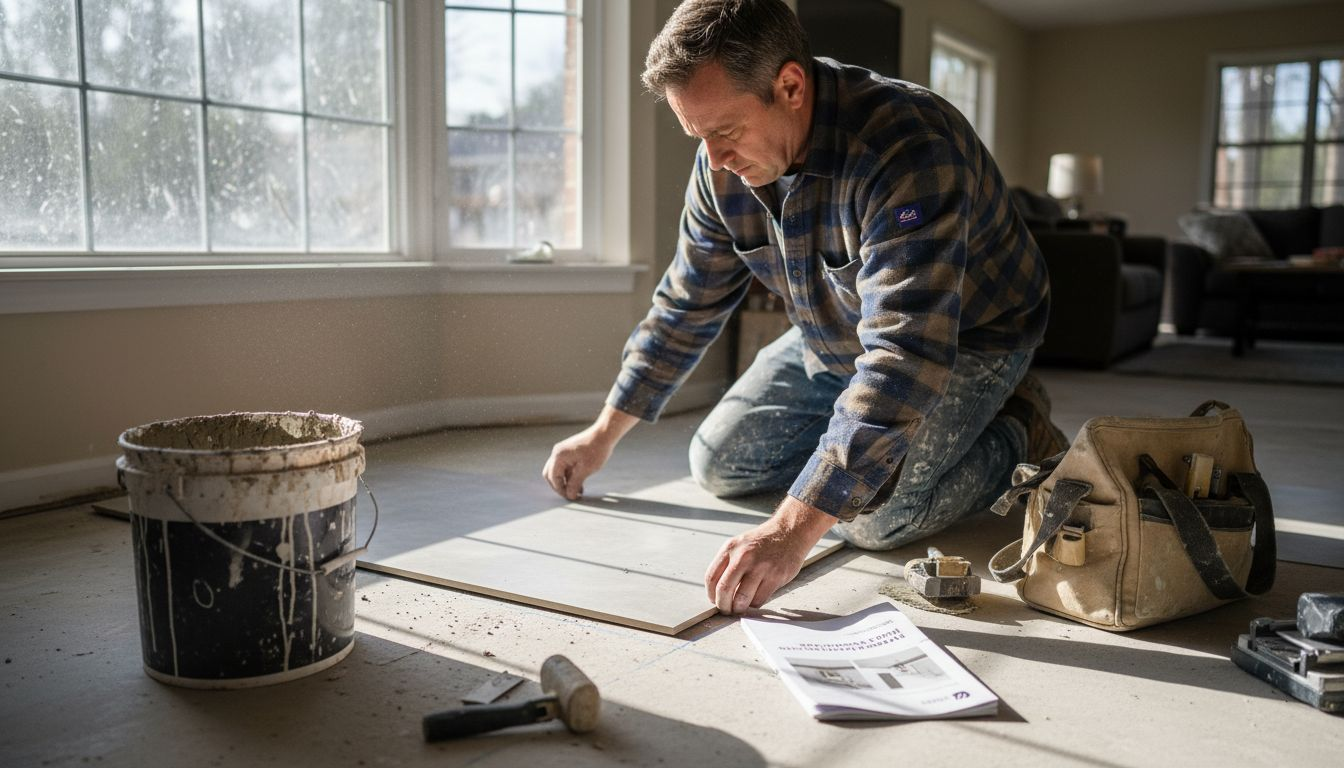
Different room types demand nuanced layout approaches to maximise visual potential. Bathrooms might benefit from diagonal tile placements that break visual monotony, whereas kitchen splashbacks could utilise geometric patterns to create focal points. The interplay between tile size, colour, and positioning becomes a sophisticated design language that communicates spatial harmony and aesthetic intention. Understanding these subtle visual dynamics allows homeowners and designers to transform ordinary surfaces into compelling architectural statements that engage and intrigue the viewer.
Pro tip: Consider using large-format tiles with minimal grout lines in smaller spaces to create an expansive, uninterrupted visual landscape that tricks the eye into perceiving greater spatial dimensions.
Reducing Waste and Ensuring Cost-Efficiency
Cost-efficiency in tile installation is a critical consideration that extends far beyond simple budget management, representing a comprehensive approach to sustainable home improvement. Advanced digital planning techniques have revolutionised how homeowners and professionals approach tile layout, offering sophisticated methods to minimise material waste and optimise resource utilisation.
The strategic planning of tile layouts involves precise mathematical calculations that can significantly reduce unnecessary material consumption. This process includes carefully measuring room dimensions, anticipating potential cutting requirements, and selecting tile sizes that minimise waste. Techniques such as modular tile sizing, intelligent pattern selection, and advanced cutting strategies can reduce material waste by up to 15-20%, translating directly into substantial cost savings. Professional tile installers often employ computational methods that calculate exact tile requirements, accounting for room geometry, pattern complexity, and potential cutting challenges.
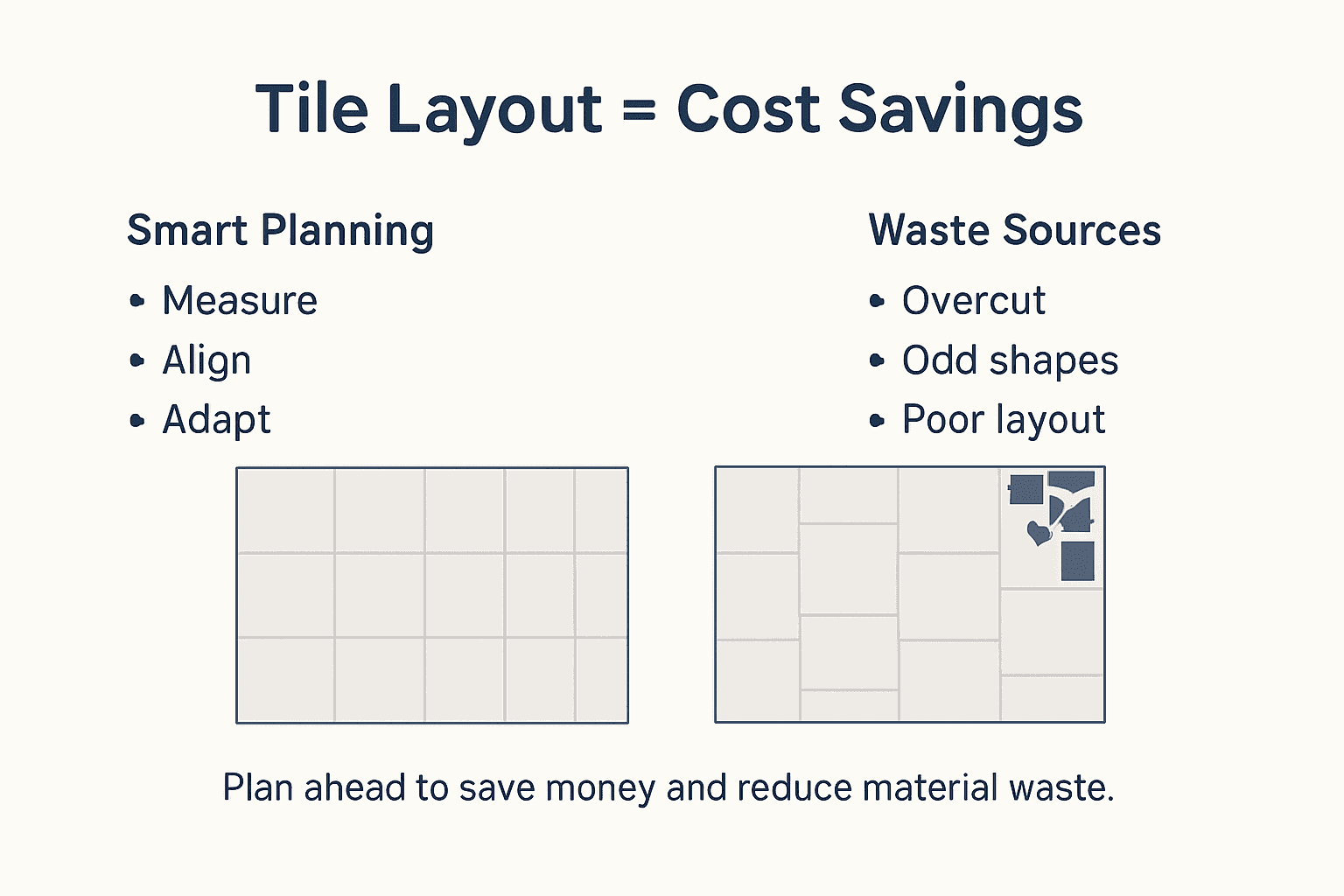
Understanding the economic implications of tile waste requires a holistic perspective. Beyond the direct material costs, unnecessary tile cutting and replacement generate additional expenses through labour, disposal, and potential rework. Factors such as tile orientation, grout line width, and pattern complexity play crucial roles in determining overall project efficiency. Homeowners can achieve significant cost reductions by adopting a strategic approach that prioritises careful planning, precise measurement, and intelligent design choices that maximise material usage and minimise unnecessary expenditure.
Pro tip: Always purchase approximately 10% extra tiles beyond your calculated requirement to account for potential breakages, cutting waste, and future replacements without overspending.
Avoiding Typical Mistakes in Tile Planning
Tile planning is a nuanced process fraught with potential pitfalls that can significantly compromise the aesthetic and functional quality of your home improvement project. Comprehensive UK professional guides highlight the critical importance of understanding and preempting common errors that can derail even the most well-intentioned tiling endeavours.
One of the most prevalent mistakes homeowners make involves inadequate substrate preparation, which forms the foundational basis for successful tile installation. This includes failing to ensure surfaces are completely level, clean, and structurally sound before tile placement. Substrate imperfections can lead to uneven tile alignment, premature grout cracking, and compromised long-term durability. Professional tilers emphasise the necessity of thorough surface assessment, potentially requiring remedial work such as levelling compounds, waterproofing membranes, or structural reinforcement to create an optimal base for tile installation.
Another significant error stems from inappropriate material selection and pattern planning. Expert UK resources reveal that homeowners frequently underestimate the importance of considering room characteristics, lighting conditions, and spatial dimensions when choosing tile sizes and layouts. Oversized tiles in compact spaces can overwhelm the room, while intricate patterns in areas with complex geometries can create visual chaos. Strategic tile selection involves understanding how different tile dimensions, colours, and patterns interact with room proportions, natural light, and existing architectural elements to create harmonious and visually appealing environments.
The following table summarises common tile layout mistakes and their consequences:
| Mistake | Typical Consequence | How to Prevent |
|---|---|---|
| Poor substrate preparation | Uneven tiles, grout cracking | Thorough surface levelling |
| Unsuitable tile selection | Overwhelming or chaotic look | Align tile size with room |
| Skipping dry layout | Misalignment, excess cuts | Mock-up before tiling |
Pro tip: Always perform a comprehensive dry layout before permanent installation, using temporary tile positioning to visualise the final result and identify potential alignment or cutting challenges.
Transform Your Space with Expert Tile Layout Planning from Vivido Tiles
Struggling to balance design impact with cost-efficiency in your tile project? This article highlights the importance of precise tile layout planning to avoid common pitfalls such as excessive waste, poor visual flow, and overwhelming patterns. At Vivido Tiles, we understand how crucial factors like tile orientation, pattern choice, and room characteristics are to achieving a stunning, functional finish. Our extensive range of premium tiles, including popular options like herringbone porcelain and patterned styles, combined with expert advice, helps you bring your ideal layout to life without compromise.
Explore our collection at Vivido Tiles and benefit from free UK delivery and affordable prices while selecting tiles that perfectly match your layout goals. Whether you are a homeowner aiming to enhance visual space or an interior designer seeking variety and quality, visit our new showroom in Harrogate or browse online to find inspiration and solutions tailored to your needs. Take control of your tile layout planning today and create spaces that truly impress by visiting Vivido Tiles online now.
Frequently Asked Questions
What is tile layout planning?
Tile layout planning is a strategic approach that involves the careful arrangement and positioning of tiles to enhance the aesthetic and functional aspects of a space. It considers factors such as geometric patterns, spatial relationships, and visual continuity to create compelling surfaces.
How can tile layout impact the perception of space in a room?
Effective tile layout can alter spatial perception by influencing how light reflects and how the room dimensions are perceived. For example, diagonal layouts in smaller rooms can create an illusion of expanded space, while larger areas can use intricate patterns to add visual interest.
What are common mistakes to avoid in tile layout planning?
Common mistakes include inadequate substrate preparation, inappropriate tile selection, and skipping dry layouts. These errors can lead to uneven tiles, excessive cuts, and a chaotic visual appearance. Proper planning and assessment can help prevent these issues.
How can I reduce waste during tile installation?
To reduce waste during tile installation, it is essential to carefully measure room dimensions and plan the layout in advance. Using modular tile sizes and accounting for potential cutting requirements can help minimise excess material consumption, leading to cost savings and a more sustainable approach.