
Why Tile Installation Differs: Practical Impacts
Most british homeowners are surprised to learn that professional tile installation methods can impact both the look and lifespan of your space by up to 50 percent. Choosing the right approach goes far beyond simple style, affecting maintenance, safety, and even property value in North Yorkshire homes. This guide lays out critical differences in installation techniques and tile quality, helping you make informed decisions for a lasting, premium finish in every room.
Table of Contents
- Core Tile Installation Differences Explained
- Types: Porcelain, Stone, Wood Effect, Outdoor Tiles
- Installation Methods And Suitability For UK Homes
- Legal And Safety Standards For Tiling In Britain
- Costs, Risks, And Common Mistakes When Installing
- Comparing Alternatives And Maintenance Needs
Key Takeaways
| Point | Details |
|---|---|
| Installation Complexity | Tile installation requires careful preparation, considering substrate conditions and environmental factors to ensure success. |
| Tile Selection | Choosing the right tile type based on its characteristics and intended environment is crucial for durability and performance. |
| Regulatory Compliance | Adhering to British safety standards, such as BS 5385, is essential to prevent legal issues and ensure a high-quality installation. |
| Financial Risks | Understanding common installation mistakes and allocating a contingency budget can help mitigate unexpected costs and ensure project success. |
Core tile installation differences explained
Tile installation involves far more complexity than simply laying materials on a surface. Each project presents unique challenges driven by substrate conditions, tile characteristics, and specific environmental requirements. The technical support from the UK Tile Association highlights crucial variations that dramatically impact installation success.
Professional tile installation fundamentally differs across various contexts. For residential spaces like kitchens and bathrooms, installers must consider moisture resistance, substrate preparation, and precise levelling. Commercial environments demand additional considerations such as heavy traffic durability, slip resistance, and compliance with stringent building regulations. Substrate preparation becomes critical - uneven surfaces can compromise tile alignment, causing lippage, cracking, or premature wear.
Key installation differences emerge from multiple factors:
- Tile material composition (porcelain, ceramic, natural stone)
- Surface substrate type (concrete, plywood, existing tiles)
- Environmental conditions (humidity, temperature)
- Load-bearing requirements
- Adhesive selection
- Expansion joint considerations
Professional tilers understand that each project requires a tailored approach. Precision measurements, proper substrate preparation, and selecting appropriate adhesives can mean the difference between a stunning, long-lasting installation and a potential failure.
Pro tip: Always conduct a thorough substrate assessment and moisture test before beginning any tile installation project to prevent future complications.
Types: Porcelain, stone, wood effect, outdoor tiles
Tile selection involves understanding the unique characteristics and performance of different materials. Comprehensive insights from the Tile Association reveal nuanced differences between porcelain, stone, wood effect, and outdoor tiles that dramatically impact installation and long-term performance.
Porcelain tiles represent a premium choice known for exceptional durability and versatility. Their dense, low-porosity composition makes them ideal for high-traffic areas and moisture-prone environments like bathrooms and kitchens. Natural stone tiles, in contrast, offer authentic textures and unique variations but require more specialised maintenance and sealing techniques. Wood effect tiles have emerged as a sophisticated alternative, providing the aesthetic warmth of timber with superior moisture resistance and durability.
Outdoor tile selection demands particular consideration in the United Kingdom’s variable climate. Key characteristics include:
- High slip resistance
- Frost-proof properties
- UV stability
- Robust load-bearing capacity
- Minimal water absorption rates
Each tile type requires tailored installation approaches. Historical tile design insights from the Jackfield Tile Museum demonstrate how material properties have influenced installation techniques throughout architectural history, emphasising the importance of understanding each tile’s unique performance characteristics.
Here’s a concise comparison of tile types and their ideal environments in British contexts:
| Tile Type | Ideal Location | Maintenance Level | Durability Aspect |
|---|---|---|---|
| Porcelain | Kitchens, bathrooms | Low | High moisture resistance |
| Natural Stone | Feature floors, hallways | High | Unique visual texture |
| Wood Effect | Living areas, bedrooms | Moderate | Warmth, sturdy surface |
| Outdoor Tiles | Patios, walkways | Moderate | Frost and slip resistant |
Pro tip: Always match tile material precisely to its intended environment, considering factors like moisture exposure, traffic levels, and temperature fluctuations to ensure optimal performance and longevity.
Installation methods and suitability for UK homes
Navigating tile installation in British homes requires understanding the unique environmental challenges and structural nuances specific to our climate. The Tile Association’s comprehensive tiling guide provides critical insights into methods that ensure long-lasting, resilient tile installations across diverse domestic settings.
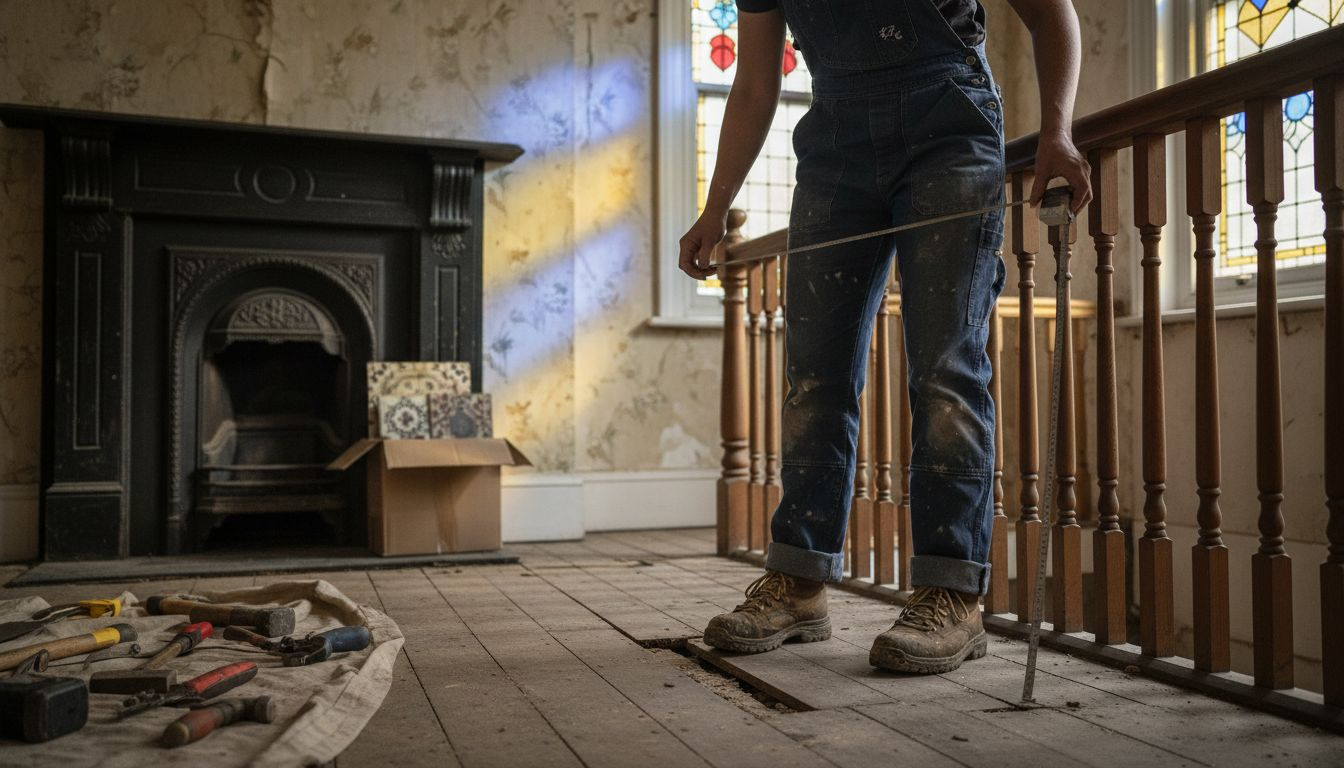
Tile installation methods in UK homes vary significantly depending on substrate conditions, room functionality, and moisture exposure. Direct fixing remains a popular technique for stable, level surfaces like concrete floors or plasterboard walls. However, in areas with potential movement or temperature fluctuations - common in older British properties - professionals recommend using uncoupling membranes that allow slight structural shifts without compromising tile integrity.
Key installation considerations for UK residential spaces include:
- Moisture resistance in bathrooms and kitchens
- Thermal expansion accommodations
- Substrate preparation and levelling
- Movement joint requirements
- Appropriate adhesive selection
- Compatibility with underfloor heating systems
Traditional British homes present unique challenges, from uneven floors in period properties to varying wall constructions. Understanding these nuances is crucial for selecting appropriate installation techniques that prevent future issues like tile cracking, grout failure, or debonding. Professionals must assess each space individually, considering factors like subfloor composition, room usage, and potential environmental stress.
Pro tip: Always conduct a comprehensive substrate assessment and moisture test before tile installation, as UK homes’ variable conditions can significantly impact long-term tile performance.
Legal and safety standards for tiling in Britain
Navigating the complex landscape of legal and safety standards for tiling requires careful attention to British regulatory requirements. The Tile Association’s updates to BS 5385 Part 3 represent a critical framework for ensuring tile installations meet rigorous safety and performance standards across residential and commercial environments.
The British Standard BS 5385 establishes comprehensive guidelines that address multiple dimensions of tile installation safety. These regulations cover critical aspects such as substrate preparation, mechanical fixing requirements, movement joint specifications, and material handling protocols. Compliance is not merely recommended but often legally mandated, particularly in public spaces, commercial buildings, and residential developments where safety standards are paramount.
Key legal considerations in British tiling standards include:
- Slip resistance ratings for floor surfaces
- Fire safety performance of tile materials
- Structural integrity and load-bearing capabilities
- Moisture resistance in wet environments
- Mechanical fixing requirements
- Thermal expansion accommodations
Professional tilers and contractors must remain vigilant about evolving standards, understanding that non-compliance can lead to significant legal and insurance complications. The standards are designed to protect consumers by ensuring installations meet minimum safety thresholds, prevent potential accidents, and guarantee long-term performance of tiled surfaces across diverse British architectural contexts.
Pro tip: Always consult the latest version of BS 5385 and maintain detailed documentation of installation methods to ensure full compliance with current British safety standards.
Costs, risks, and common mistakes when installing
Construction industry risk management guidance reveals that tile installation projects frequently encounter financial and technical challenges that can significantly impact overall project success. Understanding these potential pitfalls is crucial for homeowners and contractors seeking to minimise unexpected expenses and performance issues.
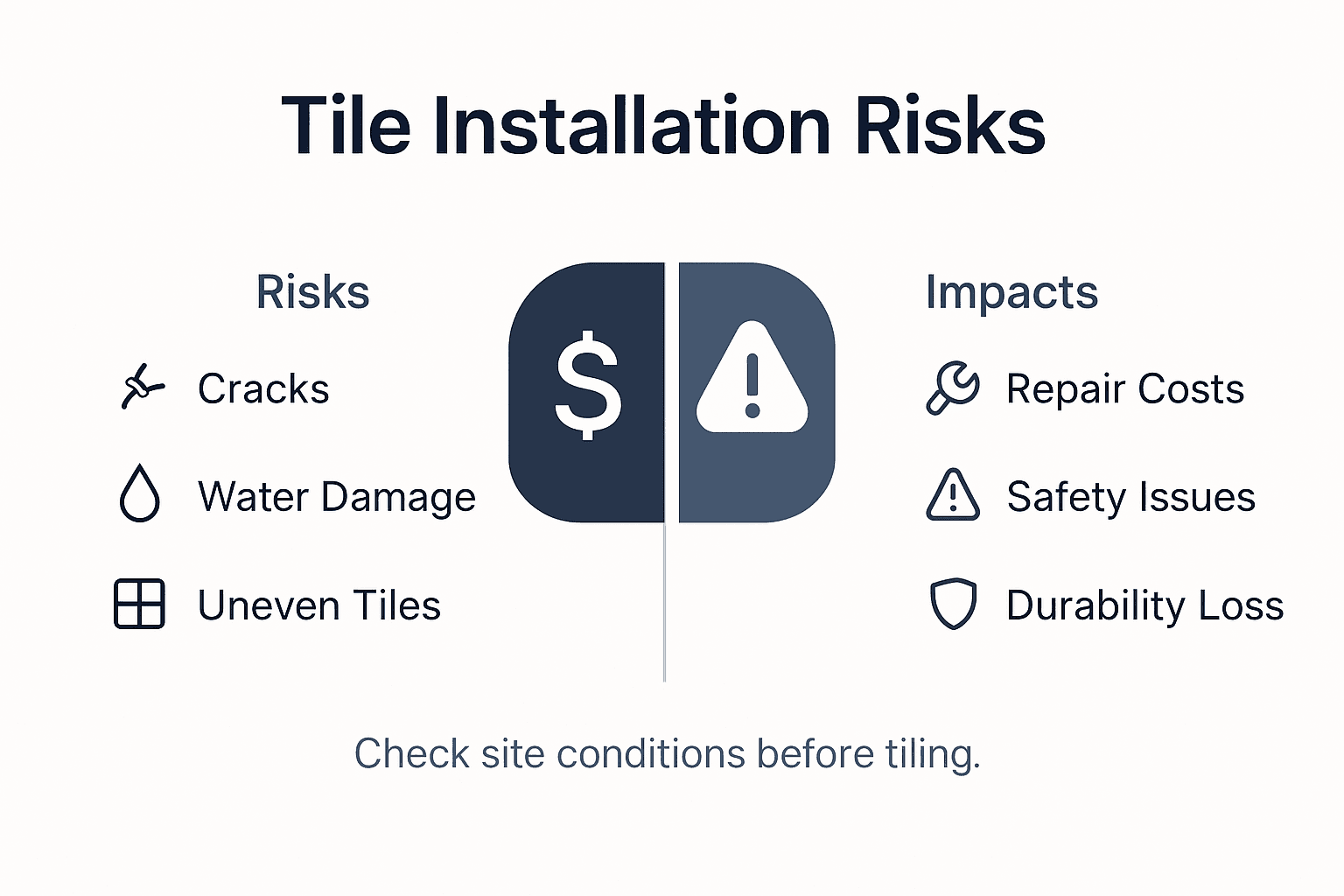
The financial risks associated with tile installation extend beyond material and labour costs. Improper substrate preparation, incorrect adhesive selection, and poor workmanship can lead to substantial long-term expenses. Common mistakes include inadequate moisture barriers, insufficient movement joint planning, and neglecting critical substrate levelling requirements. These errors can result in premature tile failure, requiring complete reinstallation and potentially causing structural damage.
Key cost and risk considerations include:
- Substrate preparation expenses
- Quality of adhesive and grout materials
- Professional installation vs DIY approaches
- Potential repair and replacement costs
- Long-term maintenance requirements
- Warranty and insurance implications
NICE guidance on construction environments emphasises the critical importance of understanding installation risks, particularly in high-performance spaces. Professional tilers must consider not just immediate installation costs, but potential long-term financial implications of poor workmanship. Comprehensive risk assessment involves evaluating material compatibility, environmental conditions, and potential future maintenance challenges.
For reference, here is a summary of common risks and long-term cost impacts for UK tile installation:
| Risk Type | Example Consequence | Future Financial Impact |
|---|---|---|
| Poor Substrate Prep | Uneven tiles, lippage | Costly repairs, replacement need |
| Incorrect Adhesives | Tile lift, weak bond | Complete reinstallation required |
| Inadequate Expansion | Cracked tiles, grout gaps | Structural damage, maintenance |
| Moisture Neglect | Water ingress, mould | Insurance claims, health hazard |
Pro tip: Always allocate a 15-20% contingency budget for potential unexpected challenges during tile installation to protect against unforeseen complications and ensure project flexibility.
Comparing alternatives and maintenance needs
DIY Doctor’s comprehensive comparison of tile installation alternatives reveals the complexity of choosing between different flooring solutions for British homes. Understanding the nuanced trade-offs between tile installation methods and alternative flooring options requires careful evaluation of durability, maintenance requirements, and long-term performance characteristics.
Alternative flooring solutions each present unique advantages and challenges. Tile overlay techniques offer cost-effective options for renovating existing surfaces without complete removal, while full replacement provides opportunities for comprehensive substrate improvement. Potential alternatives include luxury vinyl tiles, engineered wood flooring, and ceramic or porcelain tiles, each with distinct maintenance requirements and performance profiles specific to different residential environments.
Key comparative considerations include:
- Initial installation costs
- Long-term durability
- Maintenance complexity
- Moisture resistance
- Thermal performance
- Aesthetic versatility
- Compatibility with underfloor heating
- Potential property value impact
Historic England’s guidance on building material maintenance emphasises the critical importance of developing a comprehensive maintenance strategy. Professional assessment of environmental conditions, substrate characteristics, and intended usage becomes paramount in selecting the most appropriate flooring solution. Homeowners must balance immediate cost considerations with long-term performance expectations and potential maintenance challenges.
Pro tip: Conduct a thorough site assessment and consult multiple professionals before selecting your final flooring solution to ensure optimal performance and value for your specific property context.
Discover the Perfect Tiles for Your Unique Installation Needs
Understanding why tile installation differs in every project is essential to achieving lasting beauty and durability. Challenges such as substrate preparation, adhesive selection, and matching tile material to environment can feel overwhelming. At Vivido Tiles, we provide a wide range of premium tiles including porcelain, natural stone, wood effect, and outdoor options designed to meet these exact challenges. Our collection helps you find the right tile that suits your specific British home conditions, ensuring moisture resistance, durability, and style without compromise.

Take control of your tiling project today by exploring our carefully curated selections at Vivido Tiles. Whether you are renovating a kitchen, bathroom or outdoor space, our expert guidance and competitive prices give you confidence to avoid costly installation mistakes. Start browsing now to transform your space with quality tiles tailored to your installation needs, and visit our New Tile Showroom in Harrogate to see our collections in person. Don’t wait to make your dream tiling a reality.
Frequently Asked Questions
What factors influence tile installation methods?
Tile installation methods vary based on several factors, including the type of tile material (porcelain, natural stone, wood effect), surface substrate type (concrete, plywood, existing tiles), environmental conditions (humidity, temperature), and load-bearing requirements.
How does substrate preparation impact tile installation?
Proper substrate preparation is critical as uneven surfaces can cause misalignment, resulting in lippage, cracking, or premature wear. Assessing the substrate accurately before installation ensures a stable and durable tile surface.
What are common mistakes in tile installation to avoid?
Common mistakes include inadequate moisture barriers, insufficient movement joint planning, poor substrate levelling, and incorrect adhesive selection. These errors can lead to tile failure and additional repair costs.
Why is it important to consider different tile types for specific environments?
Different tile types, such as porcelain, natural stone, and outdoor tiles, possess unique characteristics that affect their performance in various environments. For example, porcelain offers high moisture resistance, while natural stone requires more maintenance. Matching the tile material to its intended environment ensures optimal durability and longevity.