
What Is Tile Glaze? Complete Guide For UK Buyers
What Is Tile Glaze? Complete Guide For UK Buyers
Over 80 percent of British homeowners choose glazed ceramic tiles for their homes, drawn to both style and practicality. The science behind tile glaze offers far more than a polished look. This protective glassy layer boosts durability and keeps surfaces easy to clean, making it a favourite for tackling busy kitchens, bathrooms, and hallways. Exploring how tile glazes work reveals why they remain a trusted solution for British design and everyday living.
Table of Contents
- Tile Glaze Defined And Core Principles
- Types Of Tile Glaze And Their Uses
- How Tile Glaze Is Applied To Tiles
- Benefits And Limitations Of Tile Glaze
- Care, Maintenance, And Common Issues
Key Takeaways
| Point | Details |
|---|---|
| Tile Glaze Functionality | Tile glaze creates a durable, impermeable surface enhancing both the aesthetic appeal and structural integrity of ceramic tiles. |
| Types of Glaze | Different glaze types, including transparent, opaque, and textured, offer unique design possibilities and functional benefits. |
| Application Process | The glazing process involves precise application methods and high-temperature firing, ensuring a permanent bond between the glaze and tile. |
| Maintenance Requirements | Regular cleaning with non-abrasive solutions and careful handling are essential to maintain the beauty and functionality of glazed tiles. |
Tile Glaze Defined And Core Principles
Tile glaze represents a sophisticated surface treatment that transforms ordinary ceramic tiles into durable, visually stunning design elements. At its core, a glaze is a thin glassy layer applied to tile surfaces through a precise firing process that fundamentally alters the tile’s physical and aesthetic properties.
The primary purpose of tile glaze extends far beyond mere decoration. By creating an impermeable surface layer, glazes provide critical protective qualities that enhance tile performance. Ceramic glazes deliver multiple functional benefits, including improved hardness, chemical resistance, and abrasion protection. These glazes can be opaque or transparent, allowing manufacturers incredible design flexibility while maintaining robust material integrity.
Most tile glazes are composed of carefully formulated mineral compounds that undergo significant transformation during high-temperature firing. When heated, these compounds melt and fuse into a smooth, glass-like coating that bonds permanently with the underlying ceramic substrate. This process creates a smooth, impermeable surface that not only looks sophisticated but also provides remarkable durability against everyday wear and environmental challenges.
Key characteristics of high-quality tile glazes include:
- Chemical Composition: Typically contains silica, alumina, and various metal oxides
- Temperature Resistance: Can withstand extreme temperature fluctuations
- Surface Finish: Ranges from ultra-glossy to matte textures
- Colour Stability: Maintains vibrant colours even after prolonged exposure
- Hygienic Properties: Creates a non-porous surface that resists bacterial growth
Types Of Tile Glaze And Their Uses
Tile glazes represent a diverse array of surface treatments, each offering unique aesthetic and functional characteristics. Glazed porcelain tiles come in remarkable variations that cater to different design preferences and practical requirements, ranging from crystal-like finishes to rustic earth-toned designs.
Traditionally, ceramic glazes have been classified into several key categories that distinguish their visual and performance attributes. Transparent glazes create a clear, glass-like surface that allows underlying tile colours and textures to shine through, while opaque glazes completely mask the base tile material. Some specialised glazes, like lead-based ceramic glazes, have historically been used to create shiny, impermeable surfaces with enhanced aesthetic appeal.
Modern tile glazes can be categorised based on their finish, composition, and application method. These include high-gloss glazes that reflect light dramatically, matte finishes offering subtle sophistication, and textured glazes that provide additional grip and visual complexity. Each glaze type serves specific purposes, from purely decorative treatments to functional enhancements that improve tile durability and performance.
Key types of tile glazes include:
- Transparent Glazes: Allow underlying tile design to be visible
- Opaque Glazes: Completely cover tile base material
- Crackle Glazes: Feature intentional fine cracks for artistic effect
- Metallic Glazes: Incorporate metallic oxides for shimmer and depth
- Textured Glazes: Provide additional surface grip and visual interest
When selecting a tile finish for your home, consider how different glaze types interact with lighting, space, and overall interior design to achieve your desired aesthetic and functional outcome.
How Tile Glaze Is Applied To Tiles
Ceramic tile glazing is a sophisticated manufacturing process that transforms raw ceramic surfaces into decorative and functional elements. Digital inkjet printing techniques have revolutionised the application of glazes, enabling manufacturers to create intricate designs with unprecedented precision and detail.
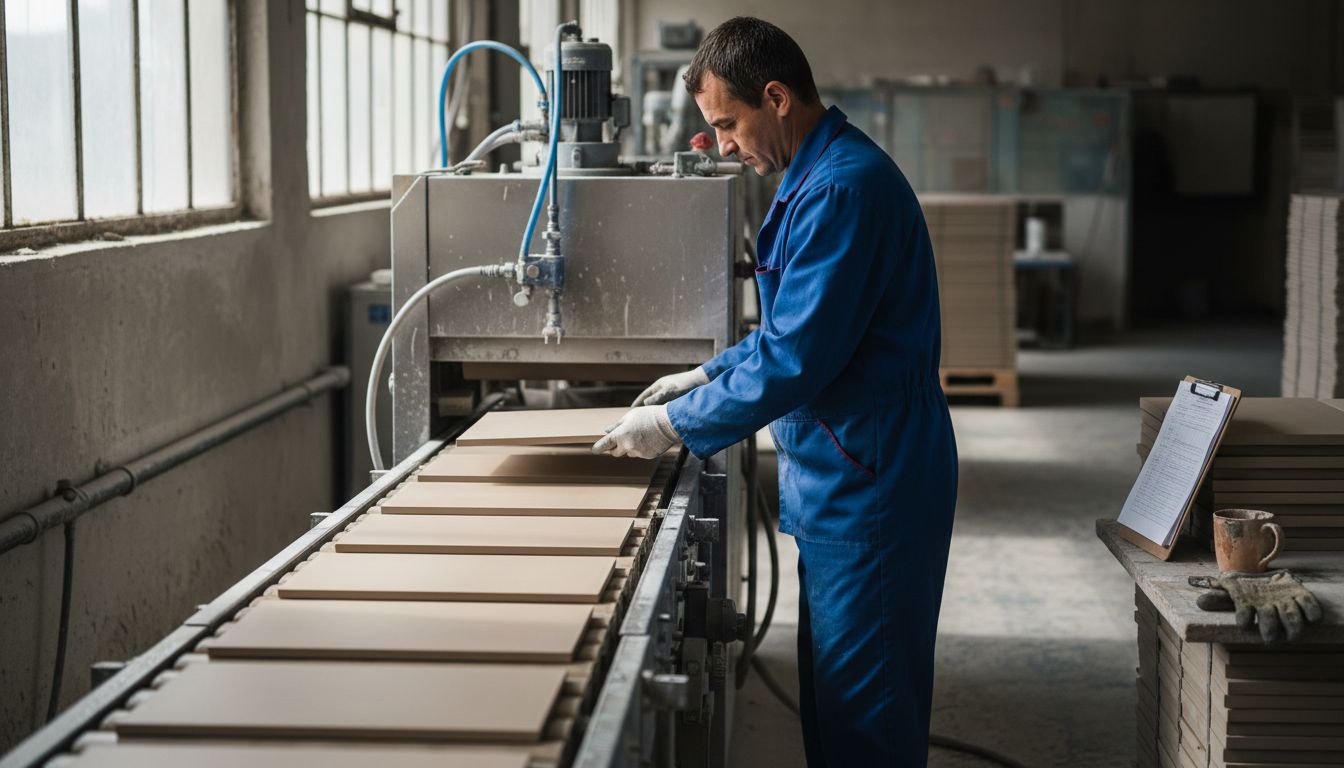
Traditionally, tile glazing involves multiple complex stages that require significant technical expertise. The process typically begins with preparing the raw ceramic tile surface, ensuring it is clean, smooth, and free from imperfections. Glazes can be applied through various methods, including dipping, spraying, and brushing, each technique offering unique aesthetic and functional characteristics. Historical glazing methods like those used in majolica tiles involved carefully coating tiles in tin glaze, allowing them to dry, and then meticulously hand-painting intricate designs before firing.
Modern industrial glazing processes rely on advanced technologies that ensure consistent quality and remarkable design flexibility. Manufacturers use sophisticated equipment to apply glazes uniformly, controlling factors like thickness, colour intensity, and surface texture. The application is followed by a crucial firing stage where tiles are heated to extremely high temperatures, typically between 1000-1200 degrees Celsius, which causes the glaze to melt and permanently bond with the ceramic substrate.
Key steps in the tile glazing process include:
- Surface Preparation: Cleaning and smoothing raw ceramic tiles
- Glaze Application: Using techniques like spraying, dipping, or digital printing
- Design Implementation: Adding colours, patterns, and surface textures
- Firing Process: Heating tiles to fuse glaze permanently
- Quality Control: Checking for uniform coverage and finish
When planning your tiling project, understanding these wall tiling techniques can help you appreciate the craftsmanship behind every beautifully glazed tile.
Benefits And Limitations Of Tile Glaze
Ceramic tile glazes offer a remarkable combination of aesthetic and functional advantages that transform ordinary ceramic surfaces into extraordinary design elements. The primary benefit lies in their ability to create an impermeable surface that dramatically enhances both the appearance and structural integrity of tiles, providing a protective layer that extends the lifespan of ceramic materials.
The most significant advantages of tile glazes include superior protection and design versatility. Ceramic glazes provide exceptional resistance to moisture, staining, and chemical damage, making them ideal for high-traffic areas and environments with challenging conditions. Glazed tiles demonstrate improved hardness and abrasion resistance, which means they can withstand considerable wear and maintain their aesthetic appeal over extended periods.
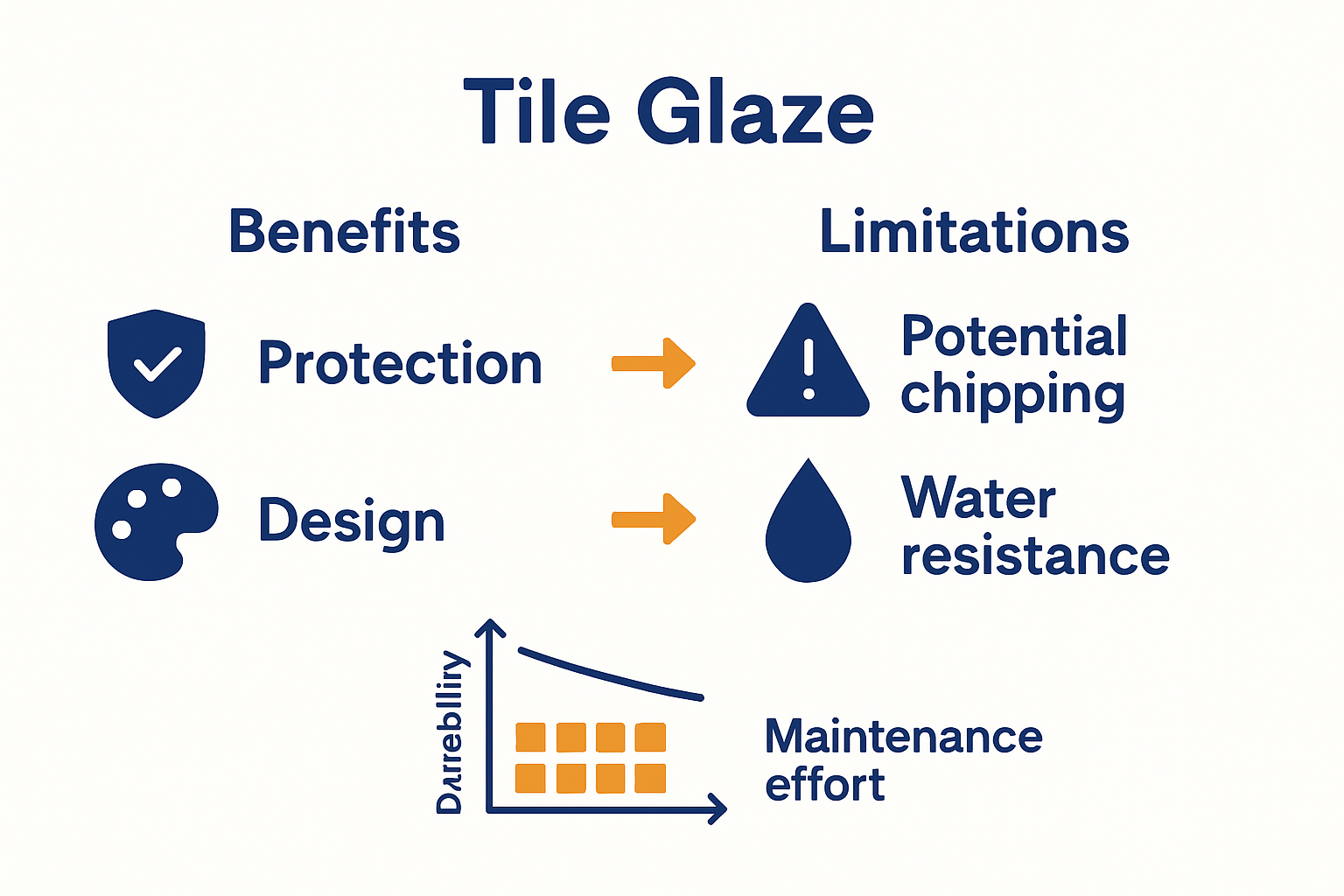
However, tile glazes are not without limitations. The same properties that make them attractive can also present challenges. Glazed surfaces can be prone to chipping, cracking, or flaking, especially when subjected to extreme temperature variations or heavy impact. Some glazes may also be sensitive to specific cleaning chemicals or environmental conditions, requiring careful maintenance to preserve their original appearance and performance.
Key benefits and limitations include:
Benefits:
- Enhanced surface durability
- Improved moisture resistance
- Increased aesthetic flexibility
- Chemical and stain protection
- Easy cleaning and maintenance
Limitations:
- Potential for surface chipping
- Sensitivity to extreme temperatures
- Risk of cracking under heavy impact
- Potential glaze degradation over time
- Specific maintenance requirements
When selecting tile finishes for your home, understanding these nuanced characteristics will help you make an informed decision that balances aesthetic desires with practical performance requirements.
Care, Maintenance, And Common Issues
Glazed tile maintenance requires a strategic approach to preserve the aesthetic and functional qualities of your tiled surfaces. Regular cleaning and careful handling are essential to prevent damage and extend the lifespan of your ceramic tiles, ensuring they remain a beautiful and practical feature in your home.
Cleaning protocols play a crucial role in maintaining glazed tiles. Non-abrasive cleaning solutions are paramount, as harsh chemicals or rough cleaning materials can compromise the delicate glaze surface. Soft microfibre cloths, pH-neutral cleaners, and gentle scrubbing techniques will help protect the tile’s finish from scratching or dulling. Lead-glazed earthenware and similar ceramic surfaces are particularly vulnerable to moisture absorption and surface degradation, making careful maintenance even more critical.
Common issues with glazed tiles can emerge over time, ranging from minor aesthetic concerns to more significant structural problems. Potential challenges include surface crazing (fine network of small cracks), glaze flaking, colour fading, and potential moisture penetration. These issues often arise from improper installation, exposure to extreme temperatures, or using inappropriate cleaning methods. Homeowners should be vigilant about addressing early signs of wear to prevent more extensive damage.
Key maintenance recommendations:
Prevention:
- Use protective mats in high-traffic areas
- Avoid dragging heavy furniture across tiles
- Seal grout lines periodically
- Maintain consistent indoor temperature
Cleaning Techniques:
- Use soft, non-abrasive cloths
- Select pH-neutral cleaning solutions
- Clean spills immediately
- Avoid harsh chemical cleaners
- Rinse thoroughly after cleaning
When managing your tiling project’s long-term appearance, understanding these maintenance principles will help you protect your investment and keep your tiles looking pristine for years to come.
Discover the Perfect Tiles with Durable, Beautiful Glaze Finishes
Understanding tile glaze helps you appreciate why choosing the right tiles matters beyond looks. The article highlights the challenge of balancing aesthetic appeal with durability and maintenance. If you want tiles that resist wear, stains, and maintain vibrant finishes, then selecting tiles with expertly applied glaze is essential. At Vividotiles, we offer a wide collection of premium tiles, including high-quality glazed porcelain and ceramic options, tailored to suit any home environment or commercial space.

Explore our extensive range today and enjoy benefits like free UK delivery on many items, affordable pricing, and expert advice. Whether you seek ultra-glossy finishes or subtle matt textures, finding long-lasting, stylish glazed tiles has never been easier. Visit our website now at Vividotiles to browse our collections and bring your interior or exterior tiling project to life with confidence.
Frequently Asked Questions
What is tile glaze and what are its main benefits?
Tile glaze is a glassy layer applied to ceramic tiles that enhances their aesthetics and functionality. It provides an impermeable surface, increasing moisture resistance, durability, and chemical protection, while also facilitating easy cleaning.
What types of tile glazes are available?
There are several types of tile glazes, including transparent glazes that allow for visible tile designs, opaque glazes that mask the underlying material, crackle glazes with intentional fine cracks for artistic effect, metallic glazes for added shimmer, and textured glazes that improve grip and visual interest.
How is tile glaze applied during the manufacturing process?
Tile glaze is applied through methods such as spraying, dipping, or brushing onto cleaned ceramic tile surfaces. After application, the tiles undergo a high-temperature firing process, usually between 1000-1200 degrees Celsius, which fuses the glaze to the tile permanently, creating a durable and visually appealing surface.
How can I maintain glazed tiles to prevent damage?
To maintain glazed tiles, use non-abrasive cleaning solutions, soft cloths, and gentle scrubbing techniques. It’s important to clean spills immediately, avoid harsh chemicals, and prevent scratching by using protective mats in high-traffic areas. Regular sealing of grout lines can also help preserve the integrity of the tiles.
Recommended
- Tile Finishes Explained: Complete Guide for UK Homes - Vivido Tiles
- What Is Ceramic Tile? Complete UK Guide - Vivido Tiles
- Gloss vs Matt Tiles Explained: Complete Guide UK – Vivido Tiles
- Polished Vs Matte Tiles: Complete Guide for UK Homes - Vivido Tiles
- Stylish Slate Coasters for Every Home Decor – The Regimental Store Ltd