
Tile Edging Profiles: The Key to a Professional Finish
Most british homeowners spend hours choosing tiles but overlook the impact of edging profiles on the final result. The truth is, over 80 percent of tile installation issues in the UK link back to poor edge finishing. For anyone in North Yorkshire aiming for a lasting, polished look, understanding tile edging profiles separates a standard job from a standout renovation. This guide offers practical advice to help you achieve a clean, professional finish that enhances both durability and design.
Table of Contents
- Tile Edging Profiles Defined And Common Myths
- Types Of Tile Trims And Key Applications
- Benefits For Durability And Aesthetics
- Selecting The Right Profile For Your Project
- Common Installation Mistakes And How To Avoid Them
Key Takeaways
| Point | Details |
|---|---|
| Importance of Tile Edging Profiles | Tile edging profiles are critical components that protect tile corners and enhance installation longevity. They are essential for maintaining structural integrity and preventing moisture ingress. |
| Material Selection Matters | Choosing the right material for tile trims is vital, depending on the environment and foot traffic. Options include stainless steel for durability and PVC for cost-effectiveness. |
| Common Installation Pitfalls | DIY installers often make mistakes like incorrect profile sizing and inadequate adhesive use. Proper preparation and adherence to manufacturer guidelines are key to avoiding these errors. |
| Aesthetic Versatility | Tile edging profiles not only serve functional purposes but also allow for creative design choices that enhance the overall aesthetic of tiled spaces. |
Tile Edging Profiles Defined and Common Myths
Tile edging profiles are precision engineered components designed to provide a seamless, professional finish to tiled surfaces. These crucial architectural elements serve multiple functional and aesthetic purposes beyond mere decoration. Industry standards from the Tile Association (TTA) UK emphasise that edging profiles are essential for protecting tile corners, managing moisture ingress, and ensuring long-lasting installation quality.
Contrary to common misconceptions, tile edging profiles are not optional accessories but critical structural components. Many homeowners mistakenly believe these profiles are purely cosmetic, when in reality they play a significant role in preventing damage and extending the lifespan of tiled surfaces. Professional installation guidelines highlight how proper edge finishing prevents moisture penetration, structural weakness, and potential tile degradation over time.
Understanding the different types of tile edging profiles is crucial for achieving a professional finish. These profiles come in various materials like stainless steel, aluminium, brass, and PVC, each offering unique benefits for different environments. Residential applications might prioritise aesthetic appeal, while commercial settings often require more robust, wear-resistant options. Factors like tile thickness, surface type, and expected foot traffic all influence profile selection.
Expert Tip: Always measure your tile edges precisely and select profiles that complement both the tile material and the overall design aesthetic to ensure a seamless, professional installation.
Types of Tile Trims and Key Applications
Tile trims are sophisticated architectural elements that serve multiple critical functions in tiling installations. Academic research from King’s College London highlights the diverse range of trim profiles available, including metal, plastic, and stone options designed to protect edges, manage surface transitions, and enhance overall aesthetic appeal.
Different trim types are engineered for specific applications across residential and commercial environments. Technical guides detail several essential trim configurations, such as bullnose trims for smooth rounded edges, L-shaped trims for precise corner management, and T-shaped trims for seamless transitions between different materials or surface levels. These profiles are not merely decorative but play crucial structural and protective roles in tile installations.
Selecting the appropriate tile trim depends on multiple factors including the specific environment, tile material, expected foot traffic, and design aesthetic. Stainless steel trims offer durability for high-traffic commercial spaces, while aluminium and brass options provide elegant finishes for residential settings. Plastic trims remain popular for budget-conscious projects, offering lightweight and cost-effective edge protection.
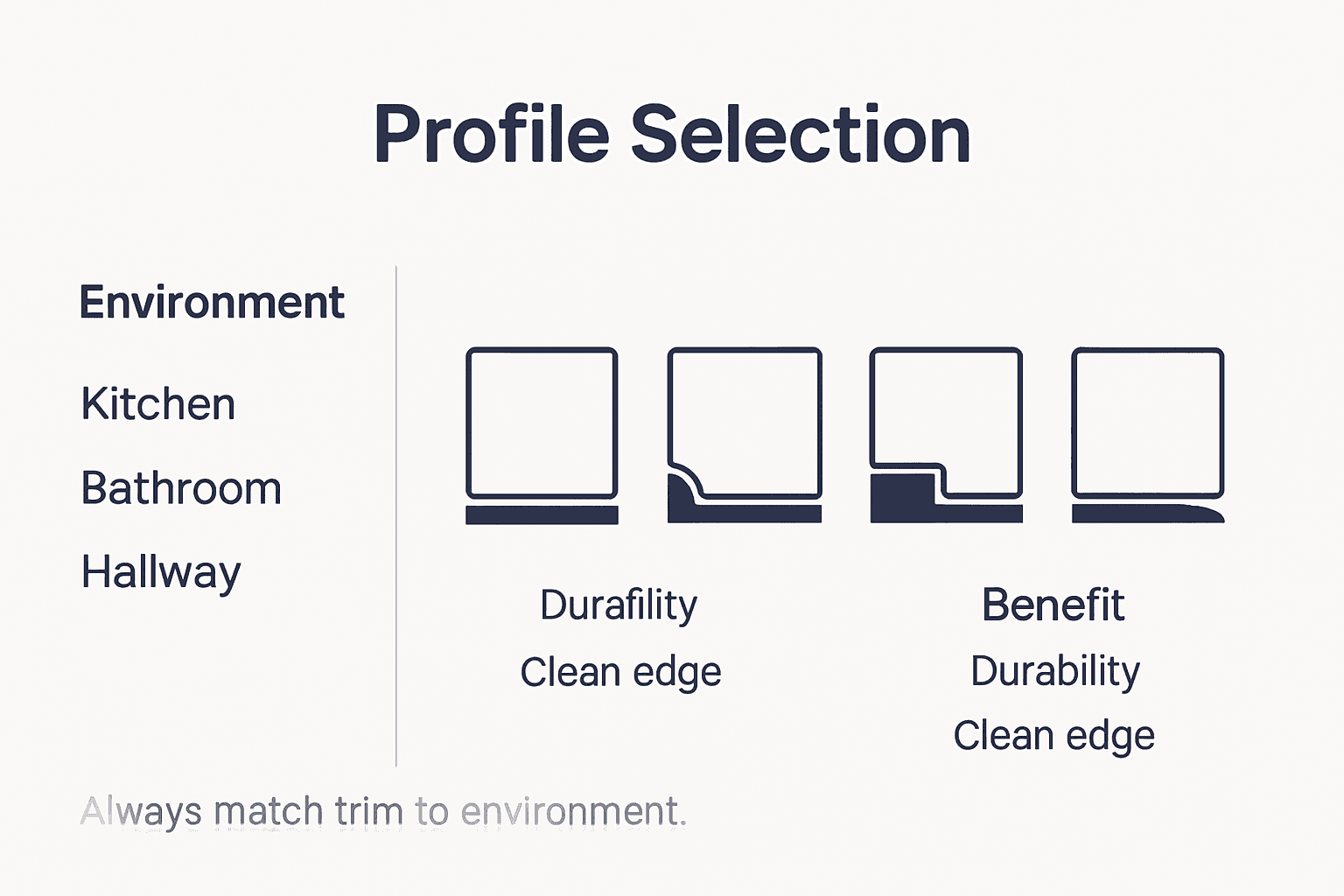
Here is a comparison of common tile edging profile materials and their typical applications:
| Material | Typical Use | Key Benefit | Common Limitation |
|---|---|---|---|
| Stainless Steel | Commercial, high traffic areas | Exceptional durability | Higher cost |
| Aluminium | Residential, moderate traffic | Corrosion resistance | Scratches more easily |
| Brass | Decorative and heritage projects | Elegant, luxurious appearance | Tarnishes without care |
| PVC (Plastic) | Budget residential settings | Lightweight and affordable | Less robust, may fade |
| Stone-effect | Natural stone tile installations | Seamless, cohesive integration | Can chip on impact |
Expert Tip: Always consider the specific moisture exposure, temperature variations, and anticipated wear when choosing tile trims to ensure long-lasting performance and aesthetic integrity.
Benefits for Durability and Aesthetics
Tile edging profiles from the Tile Association represent a crucial investment in both the structural integrity and visual appeal of tiled surfaces. These precision-engineered components do far more than simply cover tile edges; they provide comprehensive protection against moisture, physical damage, and potential structural degradation while simultaneously elevating the overall design aesthetic of a space.
Durability emerges as a primary benefit of professional tile edging. Worktop edge installations demonstrate how proper edge protection prevents water damage and mitigates potential structural weaknesses. By creating a seamless barrier between tile edges and surrounding surfaces, these profiles dramatically reduce the risk of chipping, cracking, and moisture penetration. This protective function is particularly critical in high-moisture environments like bathrooms, kitchens, and exterior spaces where tiles are exposed to significant environmental stress.
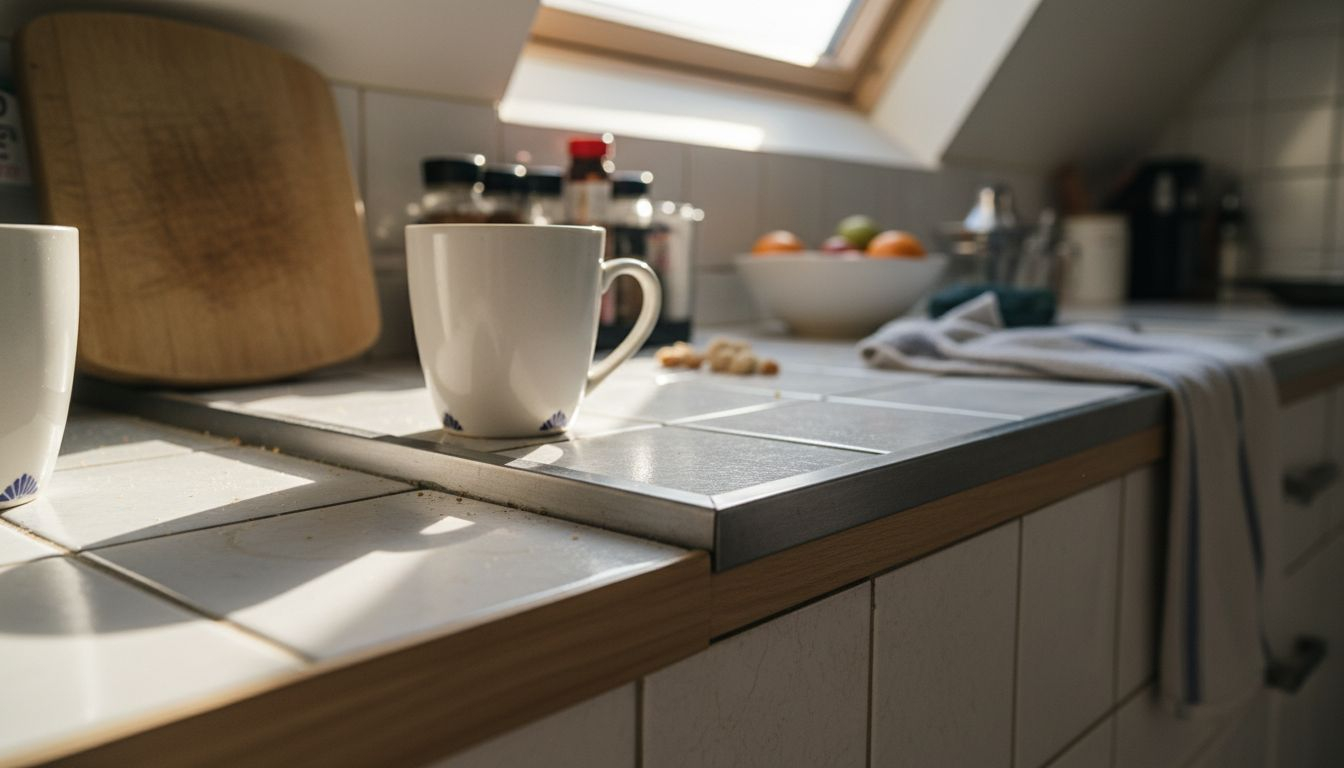
Aesthetic considerations are equally important when selecting tile edging profiles. These components offer designers and homeowners remarkable flexibility in creating clean, professional finishes. Whether opting for matching metallic profiles that blend seamlessly with tile surfaces or choosing contrasting trims that create deliberate visual interest, edge profiles can transform a basic tiling installation into a sophisticated design element. The ability to hide raw tile edges while providing a crisp, uniform transition between different surfaces makes these profiles an essential tool in achieving a polished, high-end look.
Expert Tip: When selecting tile edging profiles, consider both the functional requirements of your specific environment and the visual language of your existing design scheme to achieve optimal performance and aesthetic harmony.
Selecting the Right Profile for Your Project
Technical experts recommend a strategic approach to selecting tile edging profiles that goes far beyond simple aesthetic considerations. The selection process requires careful evaluation of multiple critical factors, including the specific environment, tile material, anticipated wear, and overall design objectives. Understanding these nuanced selection criteria is fundamental to achieving both functional performance and visual excellence in your tiling project.
Material compatibility emerges as a crucial consideration when choosing tile edging profiles. Different environments demand specific profile characteristics: metal trims offer exceptional strength for high-traffic commercial spaces, while plastic profiles provide flexibility and cost-effectiveness for residential applications. Stone-look profiles can seamlessly integrate with natural stone tiles, creating an organic, cohesive appearance that enhances the overall design aesthetic. The key is matching the profile’s material properties with the specific demands of the installation environment.
Practical considerations play an equally significant role in profile selection. Tile size, edge thickness, moisture exposure, and potential mechanical stress must all factor into your decision-making process. For instance, bathroom and kitchen installations require profiles with superior water-resistance and mould-prevention properties, whereas exterior applications demand profiles capable of withstanding temperature fluctuations and UV exposure. By meticulously matching profile characteristics to environmental challenges, homeowners and designers can ensure long-lasting, visually appealing tile installations.
Expert Tip: Always request material samples and conduct a thorough compatibility test with your specific tiles before making a final profile selection to guarantee optimal performance and aesthetic integration.
Common Installation Mistakes and How to Avoid Them
DIY installers frequently encounter critical errors during tile edging profile installations that can compromise the entire project’s integrity. Understanding these potential pitfalls is essential for achieving a professional, long-lasting finish that maintains both structural performance and aesthetic appeal.
The Tile Association emphasises the importance of precise installation techniques that go beyond simple placement. Common mistakes include using incorrect profile sizes, applying inadequate adhesive, and neglecting crucial alignment procedures. Improper trench preparation, failing to level the base, and inconsistent adhesive application can lead to uneven edges, reduced durability, and potential moisture penetration. Skilled installers recommend using string lines for perfect alignment, selecting adhesives specifically designed for tile profiles, and meticulously following manufacturer installation guidelines.
Technical precision extends to material selection and edge treatment. Many homeowners underestimate the complexity of profile installation, assuming a one-size-fits-all approach. In reality, different environments require specific installation techniques. Bathroom and kitchen installations demand extra attention to moisture sealing, while exterior applications require profiles capable of withstanding temperature variations and potential mechanical stress. Careful consideration of substrate preparation, expansion joints, and proper sealing can dramatically improve the longevity and performance of tile edging profiles.
The table below summarises the main installation mistakes and their consequences:
| Mistake Type | Possible Consequence | Prevention Method |
|---|---|---|
| Incorrect profile sizing | Uneven or loose edges | Double-check measurements first |
| Inadequate adhesive | Poor profile bonding | Use adhesive designed for profiles |
| Poor alignment | Visibly crooked finishes | Employ string lines for guidance |
| Neglected moisture sealing | Water ingress, mould growth | Apply sealant around all joints |
| Skipped substrate preparation | Weak tile support, cracking | Ensure clean, level base surface |
Expert Tip: Invest in professional-grade installation tools and take time to thoroughly prepare the surface, ensuring a clean, level base before attempting to install tile edging profiles.
Elevate Your Tiling Project with Expert Tile Edging Solutions
Achieving a flawless tile finish demands more than selecting beautiful tiles. As the article emphasises, tile edging profiles are essential for protecting your investment against moisture damage, chipping, and wear, while delivering a polished, professional look. Whether you are a homeowner, renovator, or interior designer, understanding the importance of choosing the right trims can save you costly repairs and enhance the longevity of your tiled surfaces.

Discover a comprehensive selection of premium tiles and complementary edging solutions at Vivido Tiles. Browse our extensive range of affordable porcelain, natural stone, and patterned tiles that pair perfectly with durable trims designed for every setting. Don’t settle for less when it comes to durability and style — visit our new showroom in Harrogate or shop online today to bring your project to life with confidence and expert support. Start securing your professional finish now by exploring our tile collections and make your next tiling project truly exceptional.
Frequently Asked Questions
What are tile edging profiles used for?
Tile edging profiles are used to provide a professional finish to tiled surfaces, protecting tile corners, managing moisture ingress, and ensuring the longevity of the installation.
How do I choose the right tile edging profile for my project?
Selecting the right tile edging profile involves considering the specific environment, tile material, expected foot traffic, and overall design aesthetic to ensure both functionality and visual appeal.
What materials are commonly used for tile edging profiles?
Common materials for tile edging profiles include stainless steel, aluminium, brass, PVC, and stone-effect options, each offering different benefits suited to various applications.
What are the common mistakes to avoid when installing tile edging profiles?
Common installation mistakes include using incorrect profile sizes, inadequate adhesive application, poor alignment, and neglecting moisture sealing, which can all compromise the integrity and appearance of the installation.
Recommended
- Tile Edge Finish: Complete Guide for UK Projects - Vivido Tiles
- Role of Tile Edges – Ensuring Flawless Tiling Results - Vivido Tiles
- Tile Finishes Explained: Complete Guide for UK Homes - Vivido Tiles
- Floor Tiling Workflow: Achieve Flawless Tile Installation – Vivido Tiles
- Corner Storage Ideas 2025: Stylish Solutions for Busy Homes – BLUSHBEES USA