
Tile Body Type Explained: Choosing the Right Fit
Most british homeowners are surprised to learn that different tile body types can change how a space looks and lasts. The material inside each tile—like ceramic, porcelain, or natural stone—affects not just style but also performance in daily life. With over 60 percent of renovation headaches traced to the wrong tile choice, understanding body type is a must. This guide breaks down what sets each tile apart, helping you choose options that truly fit british homes and demands.
Table of Contents
- Tile Body Type: Definition And Importance
- Main Body Types: Porcelain, Ceramic, Stone
- How Tile Body Types Affect Performance
- Selecting The Best Tile Body Type
- Common Mistakes In Choosing Tile Body Types
Key Takeaways
| Point | Details |
|---|---|
| Understanding Tile Body Types | Tile body types, including porcelain, ceramic, and natural stone, significantly influence durability, moisture resistance, and aesthetic potential. Selecting the right type is essential for optimal performance in various applications. |
| Consider Environmental Requirements | Different installations require specific tile characteristics; for instance, high-moisture areas often need glazed porcelain tiles while low-traffic spaces may benefit from ceramic options. |
| Avoid Common Selection Mistakes | Homeowners should not choose tiles solely based on appearance, as material mismatches can lead to significant issues such as rapid wear and increased maintenance needs. |
| Conduct Thorough Research | It is crucial to request samples and technical specifications to ensure that the chosen tile body type aligns with both aesthetic demands and practical requirements before making a final selection. |
Tile Body Type: Definition and Importance
Understanding tile body type is crucial for selecting the right flooring or wall covering solution that meets both aesthetic and functional requirements. A tile body type refers to the fundamental composition, material structure, and manufacturing process that determines a tile’s core characteristics, performance, and suitability for specific applications. When exploring tile composition options, homeowners and designers must carefully consider these fundamental attributes.
Tile body types typically encompass several primary categories, each with unique properties that impact durability, water absorption rate, and visual appearance. The most common body types include ceramic, porcelain, natural stone, and cement-based tiles. These variations determine critical factors such as moisture resistance, load-bearing capacity, and aesthetic potential. For instance, porcelain tiles feature a dense, less porous body that offers superior strength compared to standard ceramic tiles, making them ideal for high-traffic areas and exterior spaces.
The importance of selecting the appropriate tile body type cannot be overstated. Different environments and installation contexts demand specific material characteristics. A kitchen splashback requires different tile properties than an outdoor patio, and a bathroom floor necessitates materials with high water resistance and slip protection. Understanding these nuanced differences enables informed decision-making that balances design preferences with practical performance requirements.
Pro Tip: Always request tile samples and conduct thorough research before final selection, as the body type’s microscopic details can significantly impact long-term tile performance and aesthetic appeal.
Main Body Types: Porcelain, Ceramic, Stone
Tile body types represent a critical consideration for homeowners and designers seeking optimal flooring and wall coverings. Three primary body types dominate the tiling landscape: porcelain, ceramic, and natural stone, each offering distinct characteristics and performance attributes. Understanding the nuanced differences between porcelain and ceramic tiles enables more informed selection processes for various residential and commercial spaces.
Porcelain Tiles represent the premium category of ceramic tiles, characterised by exceptional density, low water absorption rate, and superior durability. Manufactured through high-temperature firing processes using refined clay materials, porcelain tiles exhibit remarkable strength and resistance to wear. These glazed porcelain tiles are particularly suited for high traffic areas, exterior installations, and environments requiring robust performance. Their dense body structure allows for thinner tile designs without compromising structural integrity, making them versatile for multiple design contexts.
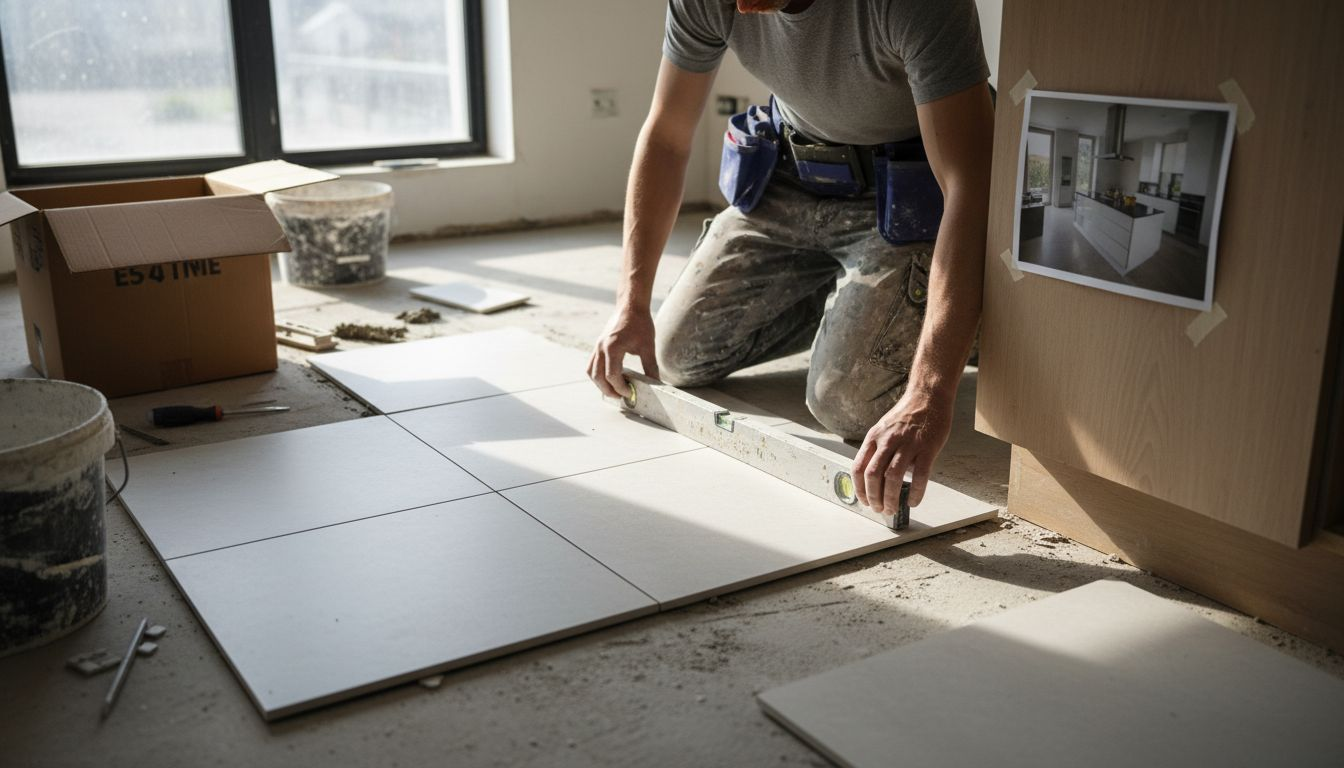
Ceramic Tiles, while sharing some fundamental manufacturing principles with porcelain, offer a more traditional and often more affordable tiling solution. These tiles feature a slightly more porous body composition, which impacts their water absorption rate and durability characteristics. Ceramic tiles work exceptionally well for interior wall coverings, bathroom environments, and areas with moderate foot traffic. Natural stone tiles, in contrast, provide an entirely different aesthetic and performance profile, presenting unique textures, colour variations, and inherent material variations that appeal to those seeking a more organic, less manufactured appearance.
Natural Stone Tiles encompass materials like marble, granite, slate, and travertine, each bringing distinctive geological characteristics to interior and outdoor spaces. These tiles offer unparalleled natural beauty but require more specialised maintenance and care compared to manufactured ceramic options. Their tile body is fundamentally different, being cut and finished from quarried stone rather than manufactured through industrial processes.
Pro Tip: Always request material samples and consult professional tilers to assess the specific performance requirements of your intended installation space, as each tile body type presents unique installation challenges and maintenance needs.
Here is a quick comparison of the main tile body types and their key applications:
| Tile Body Type | Typical Use Locations | Main Advantages |
|---|---|---|
| Porcelain | Kitchens, hallways, exterior spaces | Highly durable, low porosity, excellent water absorption rate |
| Ceramic | Bathrooms, interior walls | Cost-effective, easy to shape |
| Natural Stone | Feature walls, luxury spaces | Unique appearance, prestigious feel |
How Tile Body Types Affect Performance
The performance characteristics of tile body types directly impact their suitability for specific environments, determining durability, water absorption, and long-term functionality. Understanding these nuanced differences becomes crucial when selecting tiles for various residential and commercial applications. Hardness ratings provide critical insights into how different tile bodies will perform under varied stress conditions.
Porcelain Tiles demonstrate exceptional performance characteristics, with unglazed varieties rating between 7 and 8 on the Mohs hardness scale. This remarkable hardness translates to superior resistance against scratching, wear, and structural degradation. Porcelain’s dense body composition makes it ideal for high-traffic areas, exterior installations, and environments requiring robust material performance. The manufacturing process involving high-temperature firing creates a tile body with minimal porosity and very low water absorption rate, ensuring enhanced durability and moisture resistance.
Ceramic Tiles offer more variable performance metrics compared to porcelain. Their slightly more porous body composition means greater water absorption rates and reduced impact resistance. While suitable for interior wall coverings and moderate-use areas, ceramic tiles require more careful installation and maintenance considerations. The body type’s inherent characteristics directly influence its performance under different environmental stresses, making material selection a critical decision for long-term project success.
Natural Stone Tiles present the most complex performance profile, with hardness and durability varying significantly between different geological materials. Granite tiles typically demonstrate higher durability compared to softer stones like marble, which can be more susceptible to scratching and wear. These tiles’ performance is intrinsically linked to their geological origin, requiring specialised maintenance and more considered installation approaches to maximise their aesthetic and functional potential.
Pro Tip: Always conduct comprehensive performance testing and consult professional tilers to match tile body types precisely with your specific environmental requirements and expected usage patterns.
Selecting the Best Tile Body Type
Choosing the optimal tile body type requires careful consideration of specific environmental conditions, aesthetic preferences, and functional requirements. Tile finish differences play a crucial role in determining the most suitable material for your project, with each body type presenting unique performance characteristics and design potential.
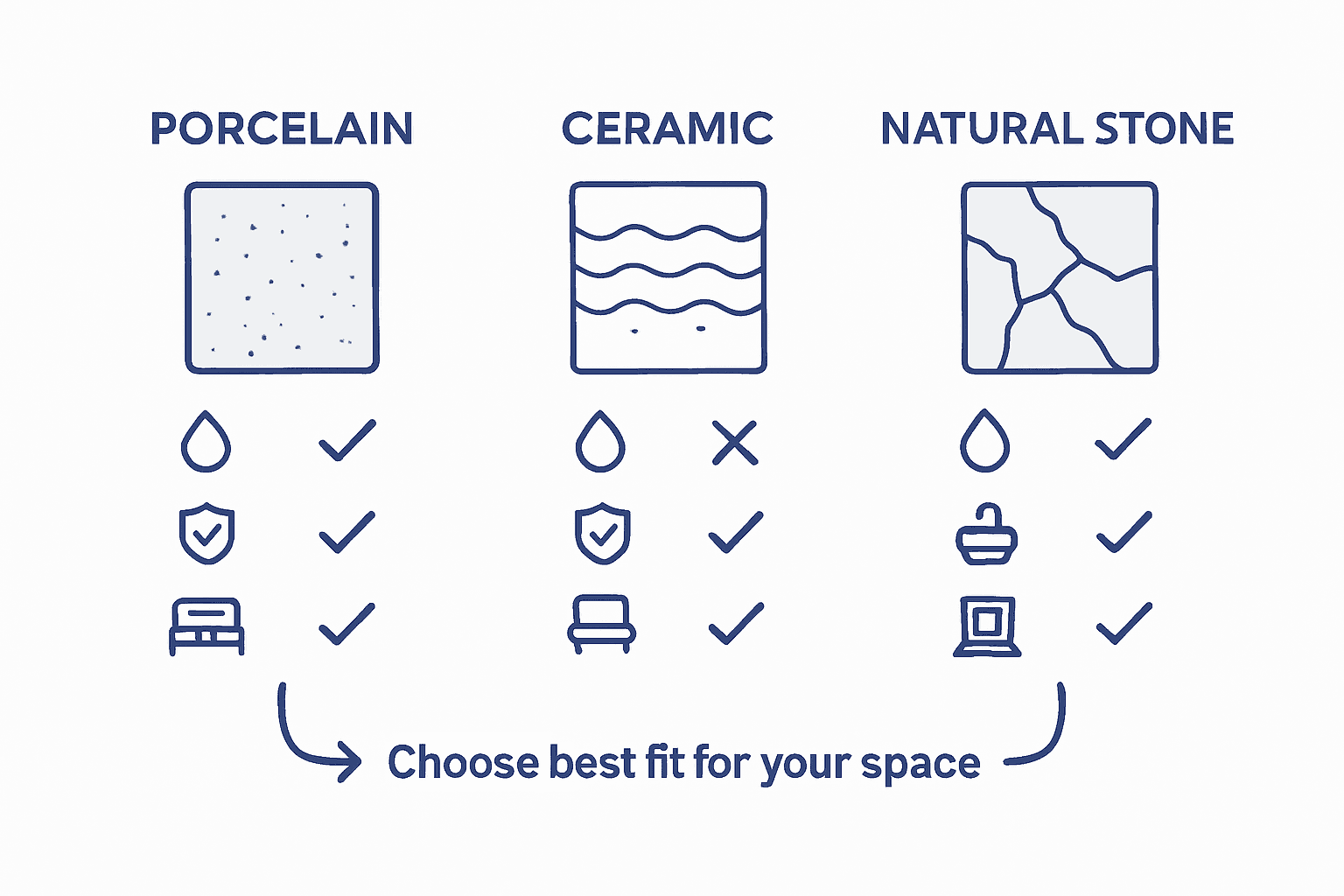
Residential Spaces demand nuanced tile body type selection. Kitchen environments, with high moisture exposure and frequent cleaning, benefit from glazed porcelain tile's low water absorption and exceptional durability. Bathroom areas require tiles with superior water resistance and slip-prevention properties, making dense porcelain or specialised ceramic options ideal. Living areas and bedrooms might accommodate more decorative natural stone tiles, which offer distinctive aesthetic qualities and unique textural experiences.
Commercial Installations necessitate even more strategic tile body type selection. High-traffic zones like shopping centres, restaurants, and office spaces require extremely robust materials with minimal maintenance requirements. Unglazed porcelain tiles excel in these commercial spaces, providing exceptional wear resistance, minimal porosity, and long-term structural integrity. Granite and other hard natural stone variants also perform remarkably well in commercial environments, offering both durability and sophisticated visual appeal.
Specialised Considerations extend beyond basic performance metrics. Factors such as thermal expansion, chemical resistance, and load-bearing capacity become critical when selecting tile body types for specific applications. Outdoor spaces demand tiles capable of withstanding temperature fluctuations, while industrial environments require materials resistant to chemical exposures and mechanical stress. Architects and designers must carefully evaluate these nuanced performance characteristics to ensure optimal material selection.
Pro Tip: Always obtain multiple tile samples and conduct comprehensive performance testing under conditions that closely simulate your intended installation environment, as theoretical specifications rarely capture the full complexity of real-world tile performance.
Common Mistakes in Choosing Tile Body Types
Selecting the wrong tile body type can lead to costly and frustrating renovation failures, with homeowners frequently overlooking critical performance factors. Essential wall tile selection strategies help mitigate these potential pitfalls by highlighting the nuanced considerations often missed during material selection.
Material Mismatches represent the most prevalent error in tile body type selection. Homeowners frequently choose aesthetically pleasing tiles without considering their functional limitations. Placing delicate natural stone tiles in high-moisture environments like shower enclosures or selecting porous ceramic tiles for exterior applications can result in rapid material degradation. Each tile body type possesses unique performance characteristics that demand careful matching with specific environmental conditions, including moisture exposure, temperature fluctuations, and anticipated foot traffic.
Neglecting Maintenance Requirements is another significant mistake that can dramatically reduce tile longevity. Different tile body types demand distinct care protocols. Natural stone tiles require specialised sealing and gentle cleaning methods, while porcelain tiles offer more straightforward maintenance. Failing to understand these nuanced care requirements can lead to premature wear, staining, and structural compromise. Ceramic tiles, for instance, demand more frequent sealing and careful cleaning compared to their more robust porcelain counterparts, a critical distinction many consumers overlook.
Technical Performance Misconceptions frequently undermine tile selection processes. Many individuals assume all tiles perform similarly, disregarding critical factors like water absorption rates, thermal expansion coefficients, and load-bearing capacities. Commercial and high-traffic environments require tiles with exceptional durability and minimal porosity, making unglazed porcelain or granite variants superior choices. Residential spaces demand more nuanced selections that balance aesthetic preferences with practical performance metrics.
Pro Tip: Always request technical specification sheets and conduct comprehensive performance testing before final tile selection, as visual appeal should never compromise functional integrity.
To help prevent common selection errors, review these frequent pitfalls and their consequences:
| Mistake | Potential Consequence | Example Scenario |
|---|---|---|
| Choosing based on looks alone | Rapid wear or water damage | Marble tiles in showers |
| Ignoring maintenance needs | Staining, loss of finish | Not sealing stone flooring |
| Overlooking technical data | Structural failure, cracking | Unsuitable tiles in shops (high traffic area) |
Find the Perfect Tile Body Type for Your Project with Vividotiles.co.uk
Selecting the right tile body type is essential to ensure your space combines beauty with lasting performance. Whether you need the durability of porcelain, the affordable style of ceramic, or the natural elegance of stone, understanding each tile’s unique characteristics can be overwhelming. At Vividotiles.co.uk, we simplify this process by offering a wide range of premium floor and wall tiles expertly curated to meet your specific needs and preferences.

Explore our extensive collection today and experience why homeowners, renovators, and designers across North Yorkshire trust us for affordable quality and expert advice. Visit our main website to browse by tile type or application and benefit from free UK delivery. For a hands-on experience, drop by our new Harrogate showroom where you can see all tile collections up close before making your decision. Make the confident choice now with Vividotiles.co.uk and transform your space with tiles that truly fit your lifestyle.
Frequently Asked Questions
What is a tile body type?
A tile body type refers to the fundamental composition and material structure of a tile, which influences its performance, durability, water absorption, and aesthetic properties.
What are the main types of tile bodies available?
The three primary tile body types are porcelain, ceramic, and natural stone. Each offers distinct characteristics suitable for different applications and environments.
How does the body type affect tile performance?
Tile body type significantly impacts durability, moisture resistance, and suitability for specific environments. For instance, glazed porcelain tiles are known for their low water absorption and high durability, making them ideal for high-traffic areas.
Why is it important to choose the right tile body type?
Choosing the right tile body type is crucial because different environments and applications require specific material properties. An improper selection can lead to rapid deterioration or unsatisfactory performance of the tiles.