
Role of Tiles in Damp Control – Practical Benefits for Homes
Damp is responsible for nearly one in five property issues across British homes, turning even well-kept North Yorkshire spaces into sources of endless frustration. Safeguarding your living environment goes beyond looks; unchecked moisture threatens both your comfort and a building’s structure. This article highlights how premium tiling choices offer reliable and stylish damp control, helping homeowners protect and transform their interiors for lasting appeal and practical results.
Table of Contents
- Defining Damp Control With Tiles
- Types Of Damp And Suitable Tile Solutions
- Moisture-Resistant Tile Materials Explained
- Best Practices For Effective Installation
- Risks, Costs, And Common Mistakes
Key Takeaways
| Point | Details |
|---|---|
| Importance of Moisture Control | Proper damp control is essential for protecting homes from moisture-related issues, necessitating strategic interventions. |
| Tile Selection Criteria | Choosing tiles with low water absorption rates and durable materials is crucial for effective moisture management in vulnerable areas. |
| Professional Installation | Engaging professionals for tile installation ensures proper sealing and moisture barrier creation, which prevents water infiltration. |
| Awareness of Common Mistakes | Homeowners should avoid common errors such as poor joint sealing and neglecting ventilation, which can exacerbate damp problems. |
Defining Damp Control with Tiles
Damp control represents a critical strategy for protecting homes from moisture-related structural challenges. Moisture management involves understanding how different building materials interact with water and preventing potential damage through strategic interventions.
Tiles play a significant role in moisture management by providing an impermeable surface that prevents water penetration in vulnerable areas. Different tile materials offer varying levels of moisture resistance, with porcelain and ceramic tiles being particularly effective at blocking water ingress. These tiles create a protective barrier against multiple forms of damp including rising damp, penetrating damp, and condensation.
Effective damp control with tiles requires careful selection based on specific environmental conditions. Homeowners should consider factors such as tile porosity, water absorption rates, and installation techniques. Tiles with low water absorption rates and proper sealing provide superior protection against moisture accumulation. Professional installation ensures that grout lines and tile edges remain sealed, preventing potential water infiltration.
Expert Tip: Always select tiles with a water absorption rate below 0.5% for areas with high moisture exposure, such as bathrooms and ground floors.
Types of Damp and Suitable Tile Solutions
Damp manifests in various forms, each presenting unique challenges for homeowners. Four primary categories of moisture infiltration impact residential structures, requiring tailored tile solutions to effectively manage and mitigate potential damage.
Rising damp emerges from ground moisture penetrating lower building sections, typically identifiable by distinctive tide marks on walls. These areas demand dense, non-porous tiles with exceptional water resistance. Porcelain and ceramic tiles with minimal water absorption rates provide robust protection against ground moisture intrusion, creating an impermeable barrier that prevents water migration through floor surfaces.
Penetrating damp represents another significant moisture challenge, often originating from external structural defects like roof cracks or compromised building envelopes. In these scenarios, homeowners should select moisture-resistant tiles for vulnerable zones, focusing on materials that offer superior water repellence and durability. Ceramic and porcelain tiles with low porosity work exceptionally well in managing moisture transfer and maintaining surface integrity.
Expert Tip: Prioritise tiles with water absorption rates below 0.3% when addressing areas prone to persistent moisture challenges, ensuring maximum protection against damp-related deterioration.
The table below contrasts main types of damp with their ideal tile solutions and additional protection strategies:
| Damp Type | Ideal Tile Material | Key Selection Criteria | Additional Protection |
|---|---|---|---|
| Rising Damp | Porcelain tiles | Very low water absorption | Sealed grout lines |
| Penetrating Damp | Glazed ceramic or porcelain | High durability and low porosity | Waterproof membranes |
| Condensation | Glazed ceramic tiles | Easy to clean, moisture resistant | Adequate ventilation |
| General Moisture | Properly sealed natural stone | Thorough sealing essential | Regular maintenance |
Moisture-Resistant Tile Materials Explained
Moisture resistance in building materials represents a critical consideration for homeowners seeking to protect their properties from potential water damage. Understanding the unique properties of different tile materials can significantly impact long-term damp control and structural integrity.
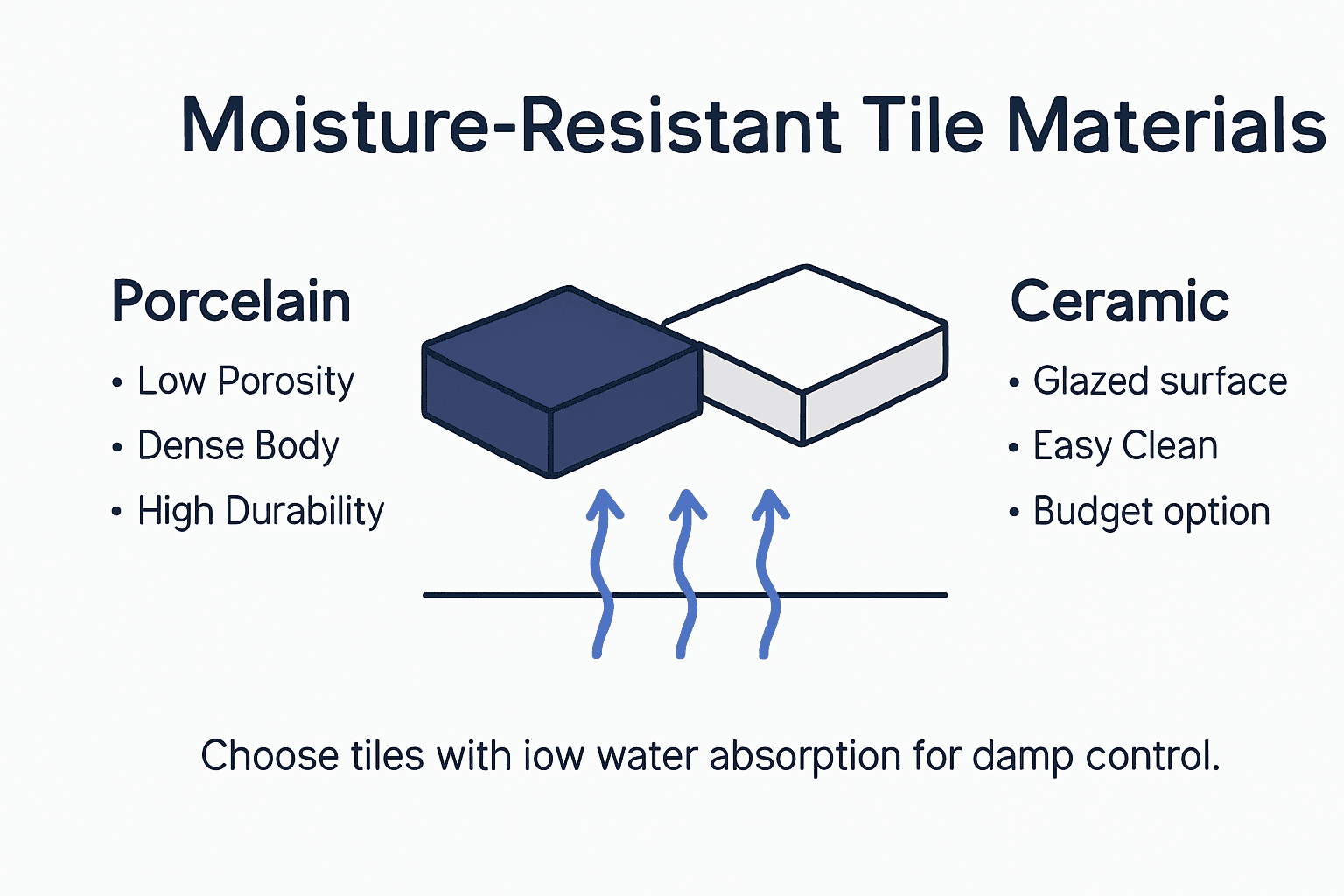
Porcelain tiles stand out as a premier choice for moisture protection, characterised by their exceptionally low porosity and dense composition. These tiles typically feature water absorption rates below 0.5%, making them ideal for areas prone to moisture exposure. Building regulations specifically recommend ceramic, porcelain, and glazed tiles for their superior moisture resistance, highlighting their effectiveness in preventing water penetration and maintaining surface durability.
Ceramic tiles offer another robust solution for moisture management, with glazed varieties providing an additional protective layer against water infiltration. The manufacturing process creates a non-porous surface that actively repels moisture, making these tiles particularly effective in bathrooms, kitchens, and other high-humidity environments. Natural stone tiles, when properly sealed, can also provide excellent moisture resistance, though they require more meticulous maintenance compared to manufactured ceramic and porcelain options.
Pro Tip: Always request a detailed water absorption rate specification from your tile supplier, aiming for materials with less than 0.5% absorption to ensure maximum moisture protection.
Best Practices for Effective Installation
Moisture barrier installation represents a critical component of effective damp control in residential environments. Professional tile installation requires meticulous attention to detail, ensuring that every layer contributes to preventing moisture infiltration and protecting the underlying building structure.
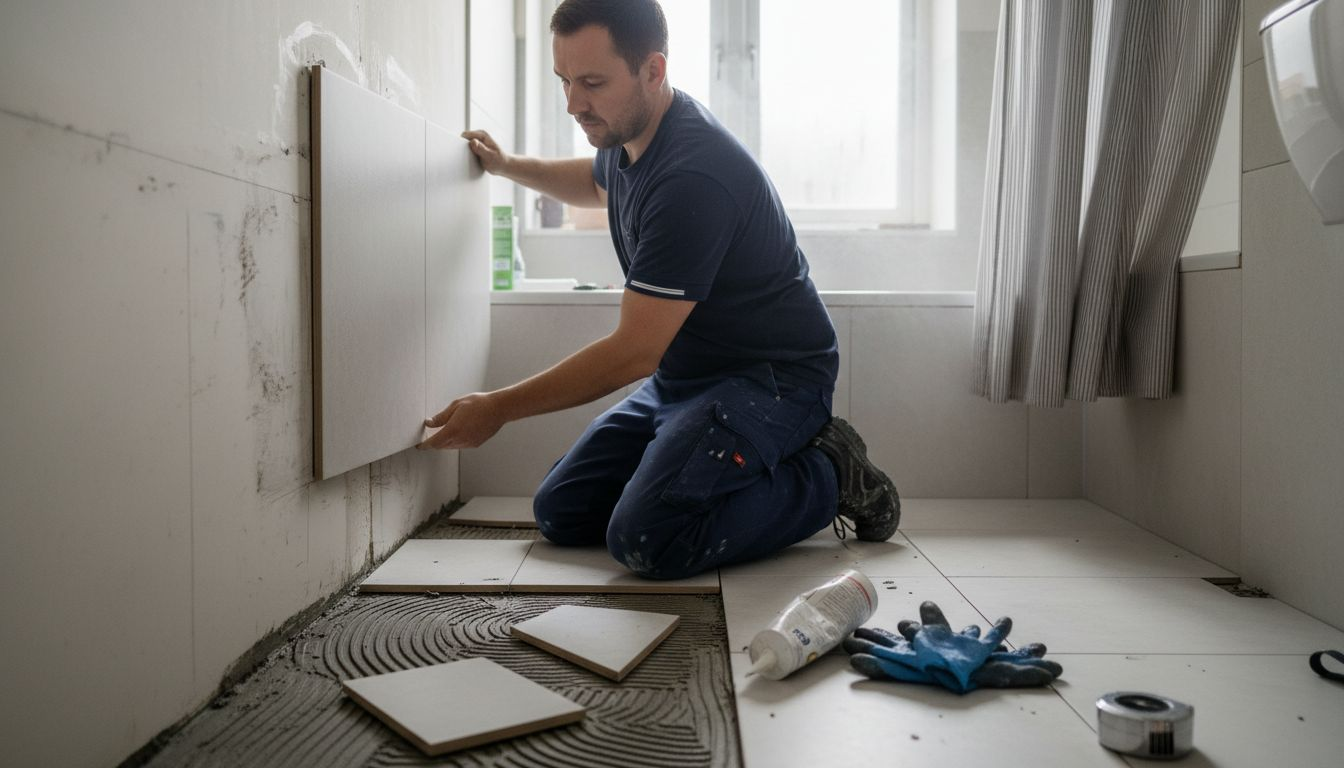
Preparing the surface properly forms the foundation of successful tile installation. This involves creating a clean, level, and completely dry substrate that can support moisture-resistant materials. Professionals recommend using specialised waterproof membranes that create an additional protective barrier against potential moisture migration. Careful sealing of joints and avoiding bridging of damp proof membranes are essential steps in preventing water penetration, particularly in areas with high humidity or potential water exposure such as bathrooms and kitchens.
Ventilation plays a crucial role in long-term damp control during and after tile installation. Ensuring adequate air circulation prevents moisture accumulation behind tiles, which can lead to potential mould growth and structural damage. This involves creating small air gaps, using breathable adhesives, and selecting installation techniques that allow moisture to evaporate naturally. Specialized spacers and installation methods can help maintain these critical ventilation channels, protecting the integrity of both the tiles and the underlying surfaces.
Pro Tip: Always conduct a comprehensive moisture assessment of the installation area before beginning tiling, using professional-grade moisture metres to identify potential problem zones.
Risks, Costs, and Common Mistakes
Misdiagnosing damp problems can lead to substantial financial and health consequences for homeowners. Understanding the potential risks associated with moisture control is crucial for making informed decisions about tile selection and installation strategies that protect both property value and occupant health.
The financial implications of improper damp management can be significant, with repair costs escalating quickly when underlying issues are not addressed promptly. Damp and mould pose serious health risks, particularly for vulnerable individuals with respiratory conditions, creating potential long-term medical complications beyond the immediate structural damage. Homeowners frequently make critical errors such as applying surface treatments without investigating root causes, using non-breathable materials, and neglecting proper ventilation.
Common mistakes in tile installation and damp control often stem from a lack of comprehensive understanding. These include selecting inappropriate tile materials, failing to create proper moisture barriers, and attempting complex installations without professional guidance. DIY approaches can inadvertently worsen moisture problems, trapping water within wall structures and creating ideal conditions for mould growth and structural deterioration. Professional assessment remains the most reliable method for identifying and addressing potential damp-related challenges.
Here is a summary of common mistakes and their potential property impacts when managing damp with tiles:
| Mistake | Likely Consequence | Preventive Action |
|---|---|---|
| Using absorbent tiles in wet areas | Water infiltration and wall damage | Choose low-absorption tiles |
| Poor joint sealing | Mould and damp beneath tiles | Professional installation |
| Ignoring ventilation requirements | Increased condensation and mould | Incorporate air gaps and vents |
| Applying surface treatments only | Recurring damp issues | Address root cause of moisture |
Pro Tip: Invest in a professional moisture survey before undertaking any tile installation or damp control project to identify potential hidden issues and prevent costly future repairs.
Protect Your Home from Damp with Quality Tiles from Vivido Tiles
Dealing with rising damp, penetrating damp or condensation requires more than just any tile. You need tiles with low water absorption and robust moisture resistance to keep your home safe and healthy. From porcelain tiles known for their impermeable surfaces to glazed ceramics perfect for wet areas, choosing the right tile helps prevent long-term structural damage and mould growth. Don’t let poor tile choices lead to costly repairs and discomfort.

Discover a wide range of premium moisture-resistant tiles at Vivido Tiles that are designed to meet your damp control needs. Whether you want to shop our popular porcelain or glazed ceramic collections or visit our new showroom in Harrogate to see options in person, we provide expert advice, excellent value, and free UK delivery on many products. Take the first step towards a drier, healthier home by exploring our selection today at https://vividotiles.co.uk or browse our expertly curated tile collections. Make moisture protection a priority with tiles that perform.
Frequently Asked Questions
What types of tiles are best for preventing rising damp?
Porcelain and ceramic tiles with very low water absorption rates are ideal for preventing rising damp, as they create an impermeable barrier that blocks water intrusion.
How do tiles contribute to moisture management in homes?
Tiles provide a dense, non-porous surface that prevents water penetration in areas vulnerable to damp, aiding in long-term moisture management and structural integrity.
What should I consider when selecting tiles for damp-prone areas?
Focus on tile porosity, water absorption rates, and ensure proper sealing for optimal moisture resistance. Choose tiles with an absorption rate below 0.5% for high moisture exposure areas.
How can I ensure effective installation of moisture-resistant tiles?
Proper surface preparation, using moisture barriers, ensuring ventilation, and professional installation are key factors to prevent moisture accumulation and protect tile integrity.