
Polished Vs Matte Tiles: Complete Guide for UK Homes
Polished Vs Matte Tiles: Complete Guide for UK Homes
polished Vs Matt Tiles: Over 60 percent of british homeowners say that choosing between polished and matte tiles is one of the trickiest parts of planning a renovation. The finish you select does more than change the look of a room. It can shape daily maintenance, safety, and even how spacious your home feels. Learning the difference between these two tile styles helps you make confident design choices and transform your space into something practical and striking.
Table of Contents
- Defining Polished And Matte Tile Finishes
- Comparing Appearance And Texture Differences
- Suitability For Rooms And Applications
- Maintenance, Cleaning, And Safety Factors
- Cost Considerations And Buying Advice
Key Takeaways
| Point | Details |
|---|---|
| Polished vs. Matte Finish | Polished tiles offer a glossy, reflective surface ideal for sophisticated spaces, while matte tiles provide a non-reflective finish for a softer aesthetic. |
| Practical Applications | Matte tiles are preferable for high-traffic areas due to their slip resistance, whereas polished tiles excel in formal settings where aesthetics are prioritised. |
| Maintenance Differences | Polished tiles require more intensive cleaning to maintain their shine, while matte tiles conceal minor imperfections and are easier to maintain. |
| Cost Considerations | The purchase and long-term maintenance costs of polished tiles are typically higher than matte tiles, making it essential to consider lifecycle expenses when making a selection. |
Defining Polished and Matte Tile Finishes
Tile finishes can dramatically transform the aesthetic and functionality of your home, with polished and matte surfaces offering distinctly different visual and practical characteristics. Polished tiles feature a smooth, glossy surface that reflects light brilliantly, creating a sleek and elegant appearance that instantly elevates a room’s sophistication. In contrast, matte tiles present a more subdued, non-reflective surface that absorbs light and provides a softer, more understated visual texture.
The key difference between polished and matte tiles lies in their surface treatment. Polished tiles undergo a mechanical grinding and buffing process that creates a smooth, highly reflective finish, typically achieved through specialised industrial polishing techniques. Matte tiles, by comparison, retain a more natural, textured surface that appears flat and uniform without the high-gloss shine. This fundamental distinction impacts not just aesthetics, but also practical considerations like light reflection, maintenance requirements, and suitability for different spaces.
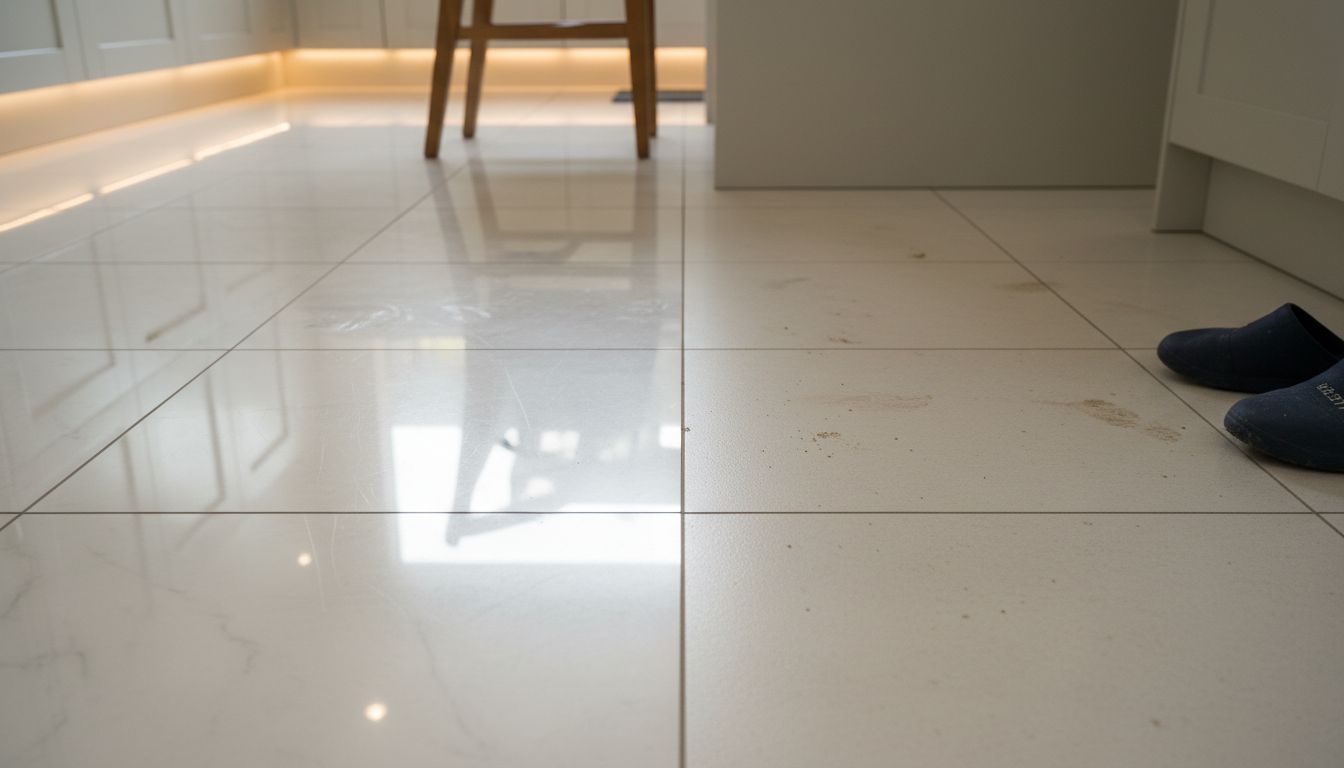
Choosing between polished and matte tiles involves careful consideration of several critical factors. For high-traffic areas like kitchens and hallways, matte tiles often provide superior slip resistance and better ability to conceal scratches and water spots. Polished tiles, while stunning in formal spaces like bathrooms and living rooms, might require more frequent cleaning to maintain their pristine appearance. As our guide on tile finishes for every room explains, each finish has unique advantages that can complement different interior design styles and functional requirements.
Understanding the nuanced characteristics of polished and matte tiles empowers homeowners to make informed design choices. Whether you prefer the dramatic shine of polished surfaces or the understated elegance of matte finishes, each option offers unique benefits that can transform your living spaces. The right tile finish can enhance room ambiance, manage light reflection, and contribute significantly to your home’s overall aesthetic and practical performance.
Comparing Appearance and Texture Differences
The visual and tactile experience of tiles dramatically differs between polished and matte finishes, with each offering unique aesthetic qualities that can transform interior spaces. Polished tiles create a luxurious, reflective surface that captures and amplifies light, generating a sense of depth and spaciousness. According to Dufferin Tile, these glossy surfaces enhance light reflection, making rooms appear larger and more sophisticated, while creating an almost mirror-like quality that adds dramatic visual interest.
Matte tiles, in stark contrast, provide a more understated and contemporary aesthetic. Their non-reflective surface absorbs light rather than bouncing it, resulting in a softer, more nuanced appearance that feels organic and grounded. The textured nature of matte tiles introduces a subtle complexity to surfaces, with micro-variations in tone and depth that create visual intrigue without overwhelming the space. These tiles excel at creating a sense of warmth and authenticity, particularly in spaces seeking a more natural and relaxed ambience.
From a textural perspective, the differences become even more pronounced. Polished tiles feel smooth and almost glass-like to the touch, with a sleek surface that feels cool and refined. Matte tiles, by comparison, offer a more tactile experience with a slightly rougher surface that provides increased grip and a more substantial sensory interaction. As Dufferin Tile highlights, this textural difference isn’t just aesthetic but practical, with matte tiles providing superior slip resistance that makes them ideal for areas requiring additional safety considerations.
Choosing between polished and matte tiles ultimately depends on the specific atmosphere you wish to create. Polished tiles work brilliantly in contemporary, minimalist spaces where light manipulation and sleek elegance are paramount. Matte tiles shine in rustic, industrial, or organic design schemes where subtle texture and understated sophistication are desired. By understanding these nuanced appearance and texture differences, homeowners can select tile finishes that not only meet functional requirements but also perfectly complement their interior design vision.
Suitability for Rooms and Applications
Selecting the appropriate tile finish requires careful consideration of each room’s unique functional and aesthetic demands. According to Dufferin Tile, polished tiles excel in specific areas such as living rooms, entryways, bathroom and kitchen walls, and commercial showrooms where visual sophistication is paramount. Their reflective surface creates an immediate sense of luxury and expansiveness, making them particularly effective in spaces seeking to convey elegance and refined design.
Matte tiles offer remarkable versatility across different environments, especially in areas requiring enhanced practicality. As highlighted by Dufferin Tile, these tiles are ideal for bathroom and kitchen floors, outdoor patios, poolside areas, and high-traffic commercial spaces. Their superior slip resistance and ability to conceal minor imperfections make them an excellent choice for zones subjected to moisture, frequent use, or potential wear and tear. The textured surface provides additional grip, reducing the risk of accidental slips in potentially wet or challenging environments.
The kitchen represents a critical decision point for tile selection, where both aesthetic and functional considerations converge. Polished tiles can create stunning backsplashes and wall features, reflecting light and adding visual depth, while matte tiles work brilliantly for flooring and countertop surfaces. In bathrooms, the choice becomes even more nuanced. Polished tiles can transform shower walls and vanity areas into gleaming focal points, whereas matte tiles provide safer, more practical flooring solutions that resist water spots and maintain their appearance under humid conditions.
Ultimately, successful tile selection transcends simple categorisation. Homeowners should consider factors like natural light exposure, room usage, maintenance requirements, and personal design preferences. Our guide on tile finishes for every room offers deeper insights into making these critical design decisions. By understanding the unique characteristics of polished and matte tiles, you can create spaces that are not just visually stunning, but also supremely functional and tailored to your specific lifestyle needs.
Maintenance, Cleaning, and Safety Factors
Tile maintenance represents a crucial consideration when selecting between polished and matte finishes, with each presenting unique challenges and requirements for homeowners. According to Lioli Ceramica, one of the most significant safety distinctions emerges in wet environments. Polished tiles possess a high-gloss surface that can become remarkably slippery, particularly when exposed to moisture, potentially creating hazardous conditions in bathrooms, kitchens, and other areas prone to water accumulation.
Matte tiles inherently provide superior safety features through their textured surface, which offers enhanced traction and reduces slip risks. This structural advantage makes them an ideal choice for zones requiring additional grip, such as bathroom floors, pool surrounds, and external walkways. Beyond safety considerations, matte tiles demonstrate remarkable resilience in maintenance. Their textured finish effectively conceals water spots, fingerprints, and minor scuffs, maintaining an aesthetically pleasing appearance with minimal intervention. In contrast, polished tiles demand more meticulous cleaning regimens to preserve their reflective brilliance, often requiring specialised cleaning products and frequent attention to prevent visible smudging and dulling.
Cleaning protocols differ substantially between these two tile finishes. Polished tiles necessitate gentle, non-abrasive cleaning techniques to protect their delicate surface, typically involving microfibre cloths, pH-neutral cleaners, and careful wiping to prevent scratching or diminishing their glossy finish. Matte tiles offer more forgiving maintenance, tolerating standard cleaning methods and displaying greater resistance to visible marks and everyday wear. Homeowners should consider not just the initial aesthetic appeal, but the long-term maintenance commitment each tile finish represents.
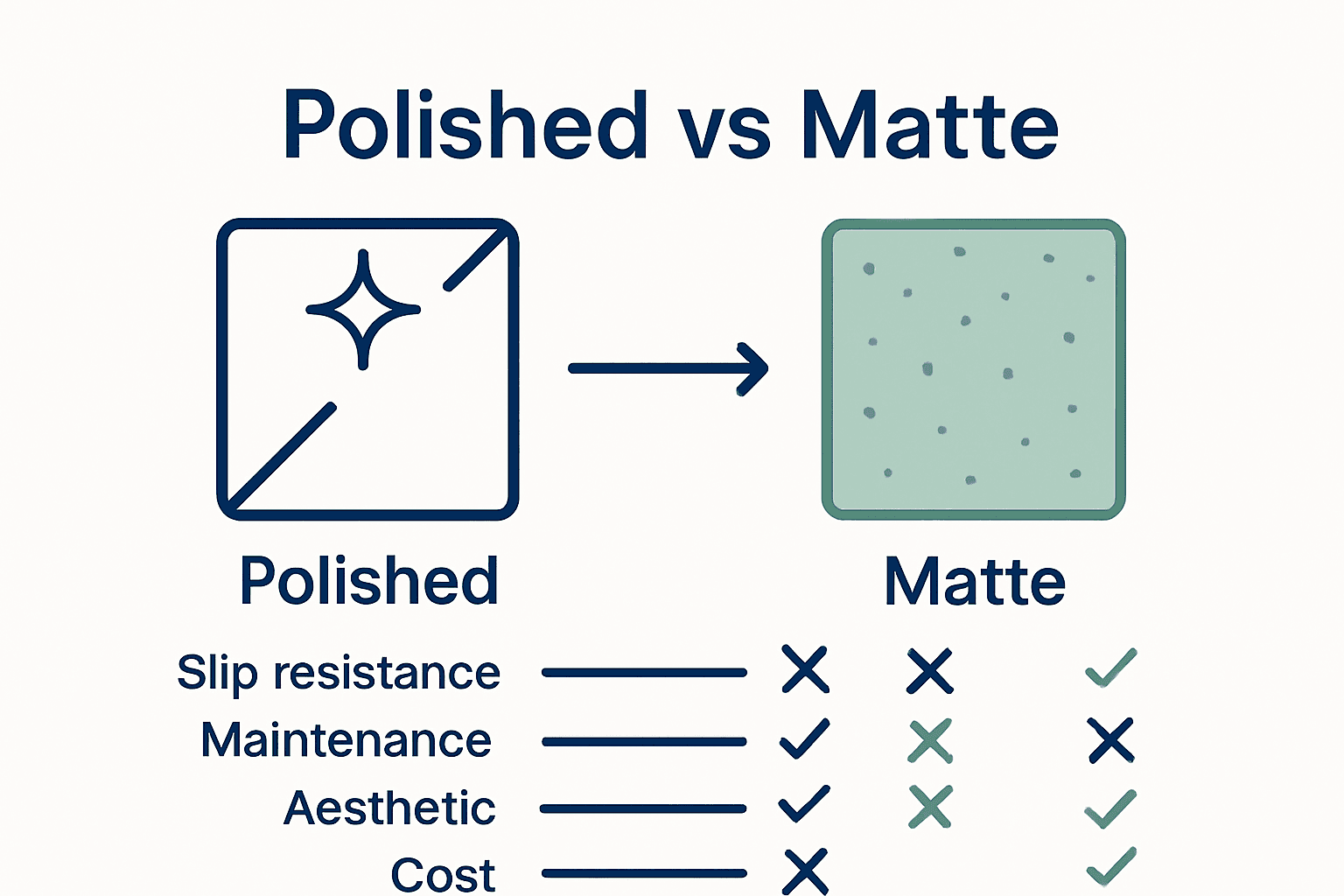
Safety remains paramount in tile selection, particularly in households with children, elderly residents, or high-moisture environments. Our guide on tile finishes for every room provides comprehensive insights into making informed choices. By understanding the nuanced maintenance and safety characteristics of polished and matte tiles, homeowners can create spaces that are not just visually appealing, but also fundamentally safe and practical for everyday living.
Cost Considerations and Buying Advice
Tile selection involves a nuanced financial evaluation that extends far beyond initial purchase price, requiring homeowners to consider long-term value, durability, and maintenance expenses. While polished and matte tiles might appear similar at first glance, their pricing can vary significantly based on material composition, manufacturing complexity, and finish sophistication. Porcelain tiles with polished finishes typically command a premium due to the additional processing required to achieve their high-gloss appearance, often costing 15-30% more than their matte counterparts.
Buying strategies should incorporate comprehensive lifecycle cost analysis. Matte tiles generally offer more economical maintenance, with their textured surfaces concealing minor imperfections and requiring less frequent intensive cleaning. Polished tiles, while visually stunning, demand specialised cleaning products and more rigorous maintenance routines that can incrementally increase long-term expenses. Homeowners should factor in not just the initial tile cost, but also ongoing maintenance, potential replacement frequency, and the specific environmental demands of each space.
When evaluating tile purchases, consider these strategic buying recommendations: - Research multiple suppliers and compare pricing across different ranges - Request samples to assess quality and appearance in your specific lighting conditions - Calculate square metre costs, not just per-tile pricing - Investigate warranty provisions for different tile finishes - Consider professional installation costs, which can vary between polished and matte tile types Our guide on tile finishes for every room provides additional insights into making financially sound tile selection decisions.
Ultimately, successful tile purchasing transcends simple price comparisons. Intelligent selection involves balancing aesthetic preferences, functional requirements, and budgetary constraints. By understanding the nuanced cost implications of polished and matte tiles, homeowners can make informed decisions that deliver both visual satisfaction and long-term value. Remember that the cheapest option is rarely the most economical when considering total lifecycle expenses.
Choose the Perfect Tile Finish to Transform Your Home
Deciding between polished and matte tiles can feel overwhelming when you want both style and practicality for your living space. The article highlights key challenges such as balancing maintenance needs, safety concerns, and room-specific suitability while achieving your desired look. Whether you seek the sleek brilliance of polished tiles or the subtle elegance and slip resistance of matte finishes, it is essential to find high-quality options that fit your design vision and budget.

At Vivido Tiles, we bring you an extensive collection of premium tiles tailored for every room and style. Explore our versatile range including porcelain, natural stone, and outdoor tiles with finishes that match your exact requirements. Benefit now from free UK delivery, expert customer service, and our new showroom in Harrogate where you can see and feel the difference before you buy. Start your tile journey today and create stunning, safe, and practical spaces. Visit Vivido Tiles to browse our collections and order with confidence.
Frequently Asked Questions
What is the main difference between polished and matte tiles?
Polished tiles have a smooth, glossy surface that reflects light, resulting in a luxurious and expansive appearance. In contrast, matte tiles feature a non-reflective, textured surface that absorbs light and provides a softer, more understated aesthetic.
Are polished tiles suitable for high-traffic areas?
While polished tiles can create an elegant look in spaces like living rooms and bathrooms, they may not be ideal for high-traffic areas due to their potential slipperiness and higher maintenance needs. Matte tiles are generally preferable in areas that require slip resistance and durability.
How do cleaning and maintenance differ between polished and matte tiles?
Polished tiles require gentle cleaning with non-abrasive products to maintain their shine and prevent scratches. They often need more frequent cleaning than matte tiles, which are more forgiving and can conceal water spots and scuffs better due to their textured finish.
Which type of tile is safer in wet areas?
Matte tiles are typically safer in wet environments due to their textured surface that provides better traction, reducing the risk of slips. Polished tiles can become slippery when wet, making them less suitable for bathrooms, kitchens, and other moisture-prone areas.
Recommended
- Polished or Matt Tile? : Which Finish Is Best for Every Room – Vivido Tiles
- Gloss vs Matt Tiles Explained: Complete Guide UK – Vivido Tiles
- What Is Ceramic Tile? Complete UK Guide - Vivido Tiles
- Ceramic Tiles 7 Practical Examples of for Every Project - Vivido Tiles
- Complete Guide to Durable Floor Finish Solutions in East Rockaway, NY | Savera Wood Floor Refinishing