
How to Budget for Tiling: A Step-by-Step Guide
Every british homeowner knows that staying on budget for home improvements can be a real challenge, especially when it comes to tiling projects. The cost of renovating with quality tiles can quickly spiral if you miss key planning steps or underestimate material needs. With ceramic tile prices ranging from £20 to £50 per square metre in the United Kingdom, knowing how to measure accurately, compare options, and plan for hidden costs makes a huge difference. Smart budgeting empowers you to create a polished look without overspending, and expert tips can help you achieve that balance.
Table of Contents
- Step 1: Assess Your Tiling Area And Requirements
- Step 2: Calculate Total Material And Accessory Costs
- Step 3: Compare Tile Options By Price And Quality
- Step 4: Plan For Installation And Potential Extra Expenses
- Step 5: Verify Your Budget And Adjust As Needed
- Step 6: Shop For Tiles Within Your Set Budget
Quick Summary
| Key Message | Explanation |
|---|---|
| 1. Measure accurately before starting | Precise measurements of your tiling area help in budget planning and prevent unexpected costs from arising. |
| 2. Budget for all associated costs | Include tile prices, adhesives, tools, and a contingency fund of 10-15% to cover unforeseen expenses. |
| 3. Assess tile quality and cost | Compare different tile types by their durability and maintenance needs, not just the upfront cost, to ensure long-term value. |
| 4. Plan for installation expenses | Account for labour and potential surface preparation costs, which can substantially increase your budget. |
| 5. Shop wisely within your budget | Look for deals, consider slightly imperfect tiles, and factor in total project costs, including delivery and materials. |
Step 1: Assess your tiling area and requirements
Before diving into your tiling project, you need to accurately measure and understand your specific area. Precise measurements will help you plan your budget effectively and avoid unnecessary expenses. To get started, grab a reliable tape measure and notepad to capture the dimensions of your space.
Begin by measuring the length and width of the surface you plan to tile. For rectangular spaces, this is straightforward: simply multiply length by width to determine the total square metres. If you’re working with an irregular shaped area, break it down into smaller rectangular sections and calculate each separately. When measuring walls, include the height in your calculations and remember to subtract the area of windows, doors, or other obstacles that won’t require tiling. Calculating the precise number of tiles needed involves considering not just raw measurements, but also accounting for potential wastage.
Take into account that most professionals recommend adding 10% extra tiles to your total area to compensate for cuts, breakages, and future repairs. This buffer ensures you have matching tiles if replacements are ever needed. Different tile layouts like herringbone or diagonal patterns might require up to 20% additional tiles due to more complex cutting requirements.
Advanced tip: Use a digital laser measure for more precise measurements, especially in spaces with uneven walls or complex geometries. This tool can provide incredibly accurate readings and save you time compared to traditional tape measures.
Professional Advice: Always purchase tiles from the same batch to ensure consistent colour and finish, as slight variations can occur between manufacturing runs.
Step 2: Calculate total material and accessory costs
After measuring your tiling area, the next crucial step is determining the total budget for materials and accessories. Understanding the full financial scope will help you plan effectively and avoid unexpected expenses. Comprehensive tiling cost calculations involve more than just the price of tiles themselves.
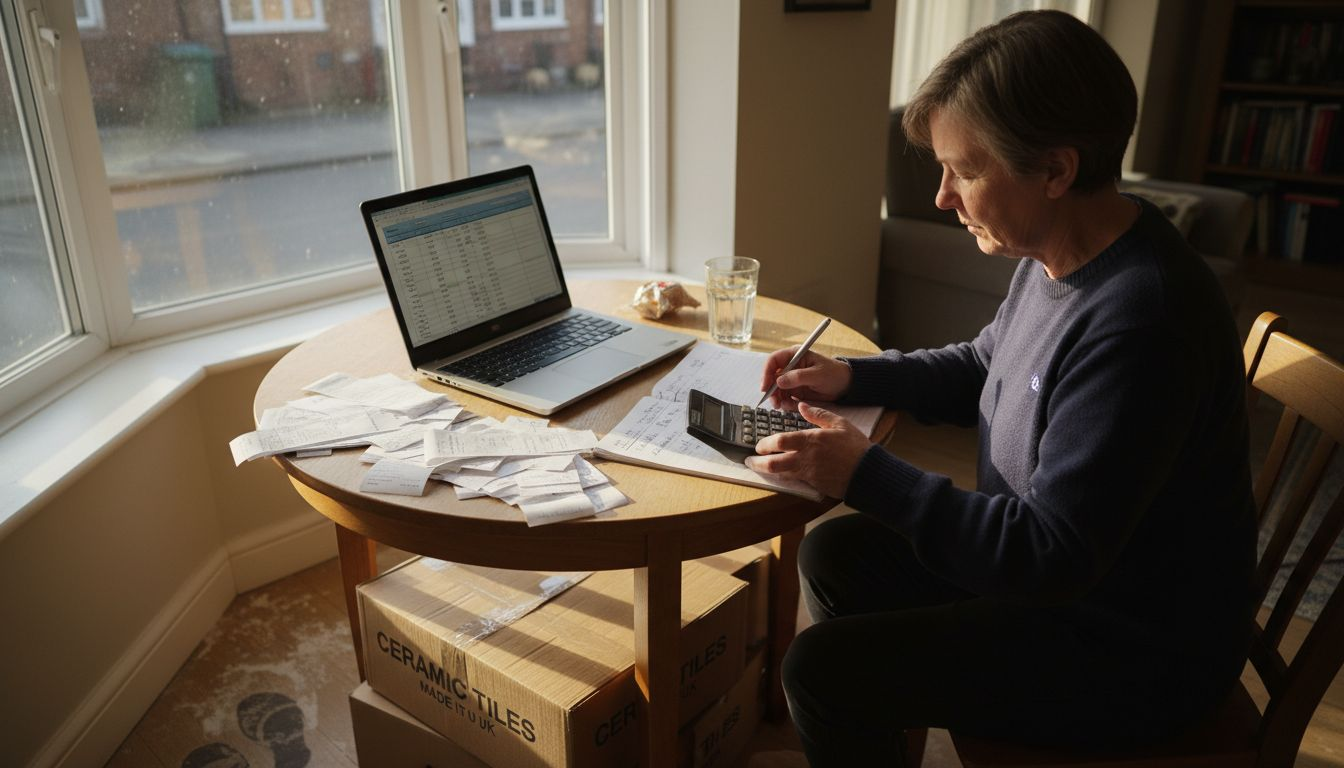
Start by investigating the cost per square metre for your chosen tile type. Prices can vary dramatically depending on material ceramic tiles might range from £20 to £50 per square metre, while premium marble or natural stone options could exceed £100 per square metre. Beyond tiles, factor in additional expenses like adhesive, grout, spacers, and edge trims. A typical tiling project might require approximately £5 to £10 per square metre for these supplementary materials. Remember to include tools you might need to purchase or rent, such as tile cutters, mixing buckets, and trowels.
When budgeting, always include a contingency fund of around 10 to 15% to cover unexpected costs or slight variations in material pricing. This buffer can protect you from financial surprises and ensure your project remains on track. Some homeowners forget to account for potential delivery charges or specialist tools that might be required for complex tile installations.
Professional Advice: Request itemised quotes from multiple suppliers and compare not just tile prices, but also delivery costs, quality, and available warranties to ensure you get the best overall value.
Step 3: Compare tile options by price and quality
Navigating the world of tile selection requires a strategic approach to balance both aesthetic appeal and financial constraints. Comprehensive tile material comparisons reveal significant variations in pricing and performance across different tile types.
Ceramic tiles represent an excellent starting point for budget conscious homeowners. Typically priced between £20 to £50 per square metre, they offer durability and versatility without breaking the bank. Porcelain tiles step up the quality ladder slightly, costing £30 to £70 per square metre but providing enhanced moisture resistance and longevity. For those seeking luxury, natural stone tiles like marble or granite range from £60 to £150 per square metre, delivering unparalleled elegance but demanding a more substantial investment.
Consider not just the upfront cost, but also long term value. Cheaper tiles might require more frequent replacement, while premium options could offer decades of performance. Factor in maintenance requirements porcelain and ceramic tiles are relatively low maintenance, whereas natural stone demands regular sealing and more careful cleaning. Your specific environment kitchen, bathroom, or outdoor space will also influence which material provides the best balance between cost and durability.
Here is a concise comparison of common tile materials to guide your decision:
| Tile Type | Typical Cost per m² | Durability & Maintenance | Ideal Locations |
|---|---|---|---|
| Ceramic | £20 - £50 | Moderate, easy to clean | Kitchens, bathrooms |
| Porcelain | £30 - £70 | High, low maintenance | Floors, wet areas |
| Natural Stone | £60 - £150 | Very high, needs sealing | High-end spaces, features |
| Marble/Granite | £100+ | Extremely high, seal often | Luxury bathrooms, foyers |
Professional Advice: Always request tile samples before making a final purchase. Viewing materials in person helps you assess quality, texture, and how they truly look in your specific lighting conditions.
Step 4: Plan for installation and potential extra expenses
Installation costs can quickly escalate beyond your initial budget, making careful planning essential for a successful tiling project. Comprehensive tiling expense calculators reveal multiple hidden costs that many homeowners overlook when budgeting for their renovation.
Labour costs represent a significant portion of your tiling budget. Professional tilers in the United Kingdom typically charge between £20 to £40 per square metre, depending on the complexity of your project. Surface preparation can add substantial expenses if your walls or floors require levelling, waterproofing, or removing existing tiles. Older properties might need additional substrate repairs or moisture barrier installations, which could increase your total costs by 15 to 25 percent. Complex patterns like herringbone or diagonal layouts demand more skilled labour and will consequently drive up installation expenses.
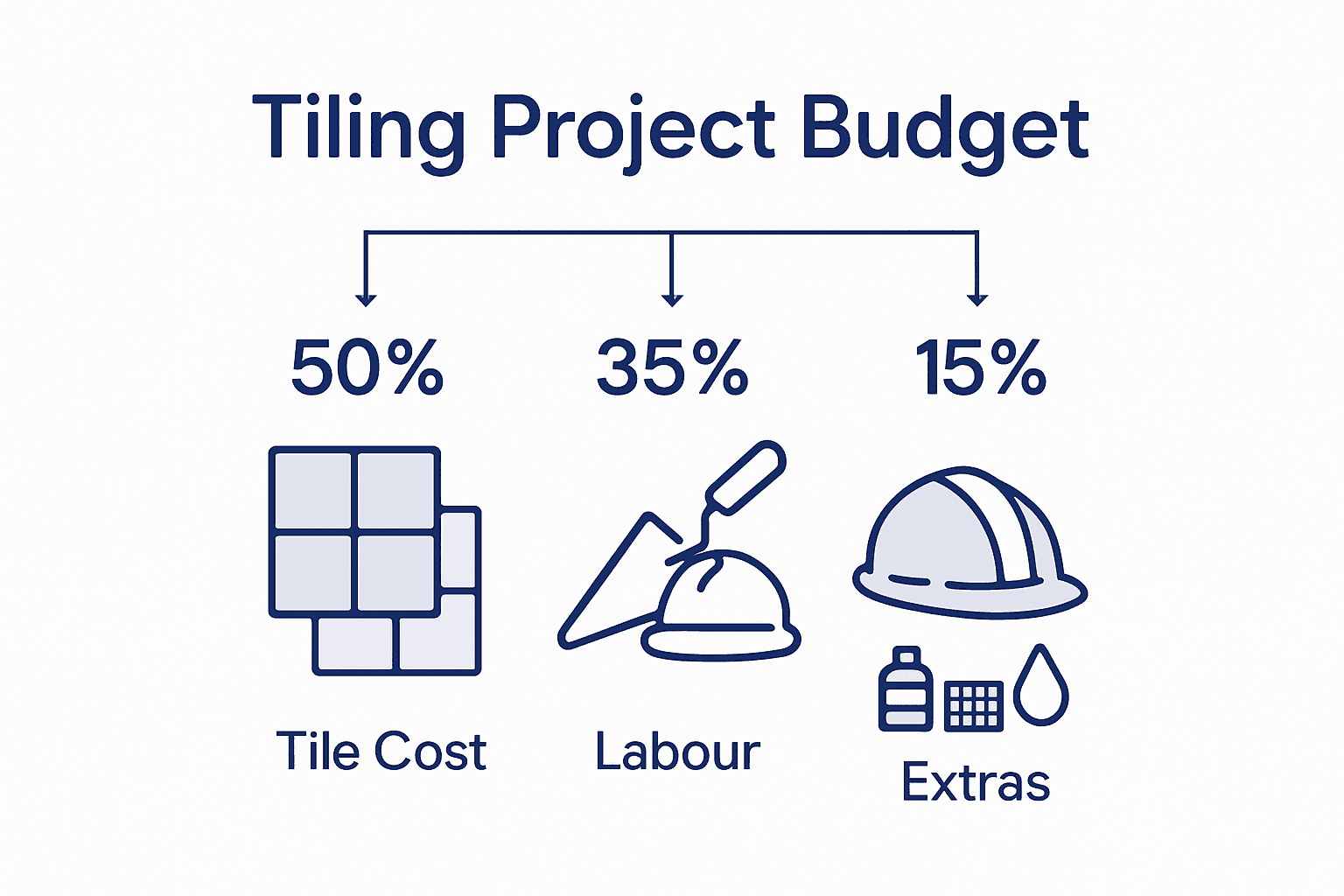
Beyond basic installation, consider additional expenses such as underfloor heating, specialised adhesives, grout, and edge trims. Some tiling projects might require removing and replacing skirting boards, electrical socket adjustments, or addressing structural irregularities. These unexpected requirements can quickly transform a straightforward tiling job into a more complex and costly undertaking. Always allocate a contingency fund of approximately 20 percent above your estimated budget to accommodate these potential surprises.
Below is a summary of hidden costs to consider in your overall tiling budget:
| Potential Extra Expense | Typical Impact on Budget | Example Scenario |
|---|---|---|
| Surface Preparation | +15% to 25% | Levelling uneven subfloor |
| Complex Pattern Installation | Increases labour costs | Herringbone or diagonal designs |
| Skirting/Sockets Adjustments | Variable | Removing skirting, moving sockets |
| Specialist Adhesives | Moderate | Underfloor heating, wet areas |
Professional Advice: Request detailed written quotes from at least three professional tilers, ensuring they provide a comprehensive breakdown of all potential costs to prevent unexpected financial surprises during your project.
Step 5: Verify your budget and adjust as needed
Carefully reviewing and fine tuning your tiling project budget is crucial to prevent financial overruns and ensure a successful renovation. Comprehensive cost modelling techniques offer strategic approaches to evaluating and optimising your financial plan.
Start by creating a detailed spreadsheet that breaks down every potential expense associated with your tiling project. Compare your initial estimates against actual quotes from suppliers and contractors. Look for areas where you might trim costs without compromising quality such as selecting slightly less expensive tile options, negotiating labour rates, or completing some preparatory work yourself. Pay close attention to potential VAT implications and trade discounts that could reduce your overall expenditure. Consider alternative materials that offer similar aesthetic appeal but at a lower price point if your current selections are pushing you beyond your financial comfort zone.
Remember that budget adjustment is an iterative process. Be prepared to make strategic compromises some areas might require additional investment, while others present opportunities for cost savings. If your initial budget seems unmanageable, consider phasing your project into smaller stages. This approach allows you to spread costs over time and potentially save up for more expensive elements. Always maintain a contingency fund of 10 to 15 percent to protect against unexpected expenses that might arise during the tiling installation.
Professional Advice: Keep all your quotes and financial documents organised in a dedicated folder. This practice helps you track expenses, compare options, and make informed decisions throughout your tiling project.
Step 6: Shop for tiles within your set budget
Transforming your space through tiling requires strategic shopping that balances quality and affordability. Practical tiling selection strategies can help you make smart purchasing decisions that align with your financial constraints.
Start by creating a clear hierarchy of priorities for your tile selection. Consider ceramic or porcelain tiles as budget friendly options that offer durability and style without excessive cost. Compare prices across multiple suppliers and look for seasonal sales or bulk purchase discounts. Online and physical tile showrooms often have clearance sections where you can find high quality tiles at significantly reduced prices. Be open to slightly imperfect tiles with minor aesthetic variations, as these can often be purchased at substantial markdowns without compromising overall visual appeal.
Pay attention to the total cost per square metre rather than focusing solely on individual tile prices. Some cheaper tiles might require more complex installation or additional materials, ultimately increasing your total project expense. Consider mix and match strategies where you use more expensive feature tiles sparingly alongside more affordable primary tiles. This approach allows you to create visual interest while maintaining budget discipline. Remember to factor in additional expenses like adhesive, grout, and potential delivery charges when calculating your total investment.
Professional Advice: Always request physical tile samples before making a final purchase. Viewing tiles in your actual space and lighting conditions can prevent costly mistakes and ensure you are completely satisfied with your selection.
Make Your Tiling Budget Work Perfectly for You with Vivido Tiles
Budgeting accurately for your tiling project can feel overwhelming but it is essential to avoid unexpected costs and delays. Whether you are calculating tile quantities for a complex herringbone layout or comparing material costs and installation expenses, Vivido Tiles is here to help you stay on track. We understand the challenge of balancing style, quality, and affordability while planning your perfect space.
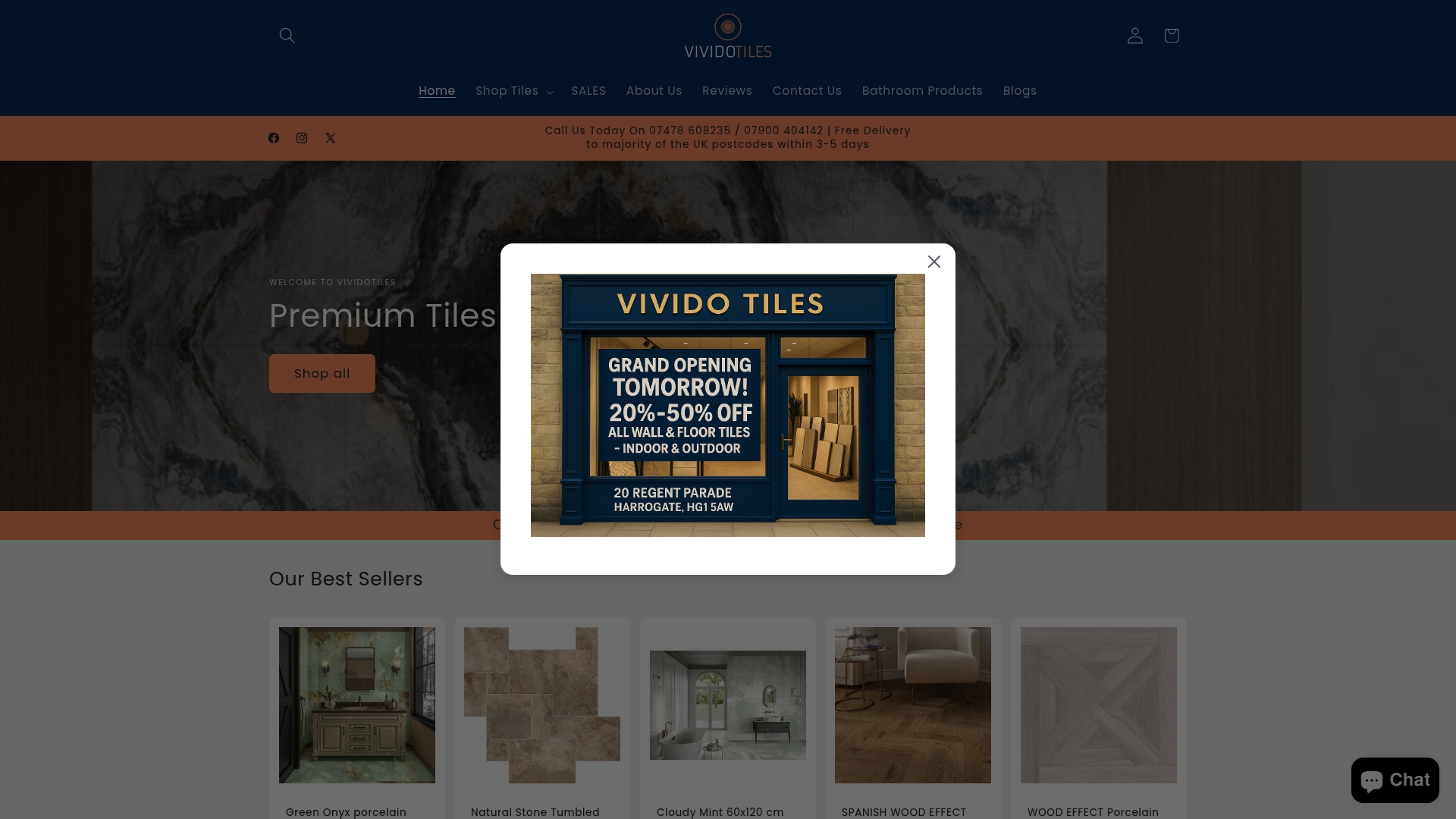
Discover our wide selection of premium tiles at Vivido Tiles featuring popular options like porcelain, natural stone, and outdoor paving. With clear pricing, free UK delivery on many products, and expert customer support, you can confidently choose the tiles that fit your budget and design goals. Visit our new Harrogate showroom or explore online today to get inspired and start making your tiling plans a reality. Don’t wait until after your measurements or quotes come in—secure the best prices and solutions now at Vivido Tiles and turn your budget into beautiful results.
Frequently Asked Questions
How do I accurately measure my tiling area?
To measure your tiling area accurately, use a reliable tape measure to grab the length and width of the space. For rectangular areas, multiply length by width to determine the total square metre area. For irregular shapes, break them into smaller rectangles and calculate each section separately.
What should I include in my tiling budget?
Your tiling budget should include the cost of tiles, adhesive, grout, spacers, and edge trims. Additionally, consider potential expenses for tools, delivery charges, and a contingency fund of around 10-15% for unforeseen costs.
How do I decide on the type of tiles to use?
Evaluate your options by considering your budget, desired aesthetics, and the area being tiled. Compare the costs per square metre, durability, and maintenance needs of different tile materials to find the best fit for your project.
What are potential hidden costs to consider in my tiling project?
Hidden costs may include surface preparation, complex pattern installation, and necessary adjustments for skirting boards or electrical sockets. Always allocate an extra 20% in your budget to cover these unexpected expenses.
How can I shop for tiles effectively within my budget?
Start by identifying your tile priority list, focusing on essential features while considering budget-friendly options like ceramic or porcelain tiles. Compare prices, look for seasonal sales, and don’t forget to factor in additional costs for adhesive and grout to ensure you remain within budget.