
Full-bodied Tiles – Impact on UK Home Renovations
Most British homeowners want a renovation that lasts, yet too often settle for tiles that chip or fade with time. With full-bodied tiles now offering unrivalled durability and stunning design possibilities, enhancing your North Yorkshire home is more accessible than ever. In fact, these advanced tiles can withstand even the toughest British weather while staying affordable. Discover how the right selection can transform hallways, patios, or kitchens into resilient, beautiful spaces that truly stand the test of time.
Table of Contents
- Defining Full-bodied Tiles And Key Myths
- Differences Among Porcelain, Stone, And Glazed Options
- Core Benefits For High-Traffic And Outdoor Use
- Practical Applications In UK Homes And Gardens
- Budget Considerations And Maintenance Needs
- Common Mistakes To Avoid When Selecting
Key Takeaways
| Point | Details |
|---|---|
| Versatile Design Options | Full-bodied tiles are available in a wide range of styles and designs, debunking the myth that they are limited or expensive. |
| Exceptional Durability | Their consistent material composition ensures high resistance to wear and damage, making them ideal for high-traffic areas and outdoor use. |
| Cost-effective Long-term | While initial costs may be higher, their low maintenance needs and durability lead to significant savings over time. |
| Importance of Proper Selection | Careful consideration of material characteristics and environmental factors is crucial to avoid common installation mistakes and ensure longevity. |
Defining Full-bodied Tiles and Key Myths
Full-bodied tiles represent a sophisticated approach to ceramic and porcelain flooring, characterised by their consistent colour and material composition throughout the entire tile thickness. Unlike standard surface-glazed tiles, these tiles maintain uniform properties from top to bottom, offering remarkable durability and versatility for UK home renovations.
Understanding full-bodied tiles requires dispelling several common misconceptions. Many homeowners believe these tiles are prohibitively expensive or limited in design options. However, modern manufacturing techniques have transformed this perception. Full-bodied tiles now come in an extensive range of aesthetic styles, from minimalist stone effects to intricate decorative patterns, while maintaining their structural integrity across different price points.
The key distinguishing feature of full-bodied tiles lies in their composition. Unlike traditional tiles with a thin decorative layer, these tiles feature colour and material consistency throughout their entire cross-section. This means that if the tile chips or experiences surface wear, the underlying material maintains the same visual appearance. Such characteristics make them particularly suitable for high-traffic areas in British homes, including kitchens, hallways, and commercial spaces that demand resilient flooring solutions.
Pro Tip - Material Selection: When choosing full-bodied tiles, always request samples and examine them under different lighting conditions to understand their true colour consistency and potential wear characteristics.
Differences Among Porcelain, Stone, and Glazed Options
Navigating the world of tile materials requires understanding the unique characteristics of porcelain, stone, and glazed options. Each material brings distinctive properties that can significantly impact home renovation choices. Comparing tile body types reveals crucial differences in durability, aesthetics, and performance that British homeowners should carefully consider.
Porcelain tiles stand out for their exceptional density and low water absorption rate, making them ideal for high-moisture areas like bathrooms and kitchens. Natural stone tiles, by contrast, offer unparalleled organic beauty with each piece featuring unique mineral variations and textures. Stone tiles require more maintenance but provide an authentic, luxurious appearance that cannot be perfectly replicated by manufactured alternatives. Glazed tiles represent a third category, featuring a protective ceramic layer applied over a base material, which allows for intricate design possibilities while offering a sealed surface resistant to stains and wear.
The selection between these tile types depends on specific practical and aesthetic requirements. Porcelain excels in durability and versatility, stone provides natural elegance, and glazed tiles offer design flexibility. Homeowners must consider factors such as foot traffic, moisture exposure, maintenance capabilities, and overall design vision when making their choice. Each material presents trade-offs between visual appeal, longevity, and installation complexity that require careful evaluation.
Here’s a side-by-side comparison of the most common tile types for British homes:
| Tile Type | Durability Level | Maintenance Needs | Design Variation |
|---|---|---|---|
| Full-bodied | Extremely high | Minimal over lifespan | Extensive styles |
| Porcelain | Very high | Moderate, regular cleaning | Moderate styles |
| Natural Stone | High but variable | Requires ongoing sealing | Unique, natural look |
| Glazed Ceramic | Moderate | Needs surface care | Widest range |
Pro Tip - Material Matching: Always match tile material to the specific environmental conditions of your space, considering factors like moisture levels, expected foot traffic, and maintenance capabilities before making a final selection.
Core Benefits for High-Traffic and Outdoor Use
Full-bodied tiles represent an exceptional solution for areas experiencing significant wear and environmental challenges. Understanding the strategic benefits of outdoor tile applications reveals their remarkable durability and versatility in both residential and commercial settings. These tiles excel in high-traffic zones, offering unparalleled resistance to impact, moisture, and continuous mechanical stress.
In outdoor environments, full-bodied tiles demonstrate extraordinary performance characteristics. Their consistent material composition ensures superior structural integrity, making them ideal for patios, terraces, walkways, and commercial spaces subjected to extreme weather conditions. Unlike surface-glazed alternatives, these tiles maintain their aesthetic and functional qualities even when exposed to temperature fluctuations, direct sunlight, heavy rainfall, and frequent pedestrian movement. The through-body colour and material design mean that any potential surface chips or abrasions remain visually inconspicuous, preserving the tile’s overall appearance.
Commercial and residential spaces with high foot traffic demand flooring solutions that combine durability with aesthetic appeal. Full-bodied tiles meet these requirements by offering remarkable wear resistance, reduced maintenance needs, and design versatility. They can seamlessly transition between indoor and outdoor spaces, providing a cohesive visual experience while withstanding significant mechanical stress. Their robust nature makes them particularly suitable for environments like restaurant terraces, shopping centre walkways, residential garden paths, and entrance areas that experience constant human movement.
Pro Tip - Performance Assessment: Before selecting full-bodied tiles for high-traffic areas, always request technical specifications and request samples to conduct on-site durability testing under anticipated usage conditions.
Practical Applications in UK Homes and Gardens
Full-bodied tiles offer remarkable versatility for British homeowners seeking practical and aesthetically pleasing solutions across various residential spaces. Exploring cost-effective tile upgrades reveals their transformative potential in creating durable, beautiful environments that withstand the unique challenges of UK weather and lifestyle.
In interior spaces, full-bodied tiles prove particularly effective in high-moisture areas like kitchens and bathrooms. Their consistent material composition ensures resilience against condensation, temperature fluctuations, and frequent cleaning. Hallways, entryways, and living areas benefit from their robust nature, maintaining appearance despite constant foot traffic. The through-body design means surface wear becomes less noticeable, preserving the tile’s aesthetic integrity over extended periods.
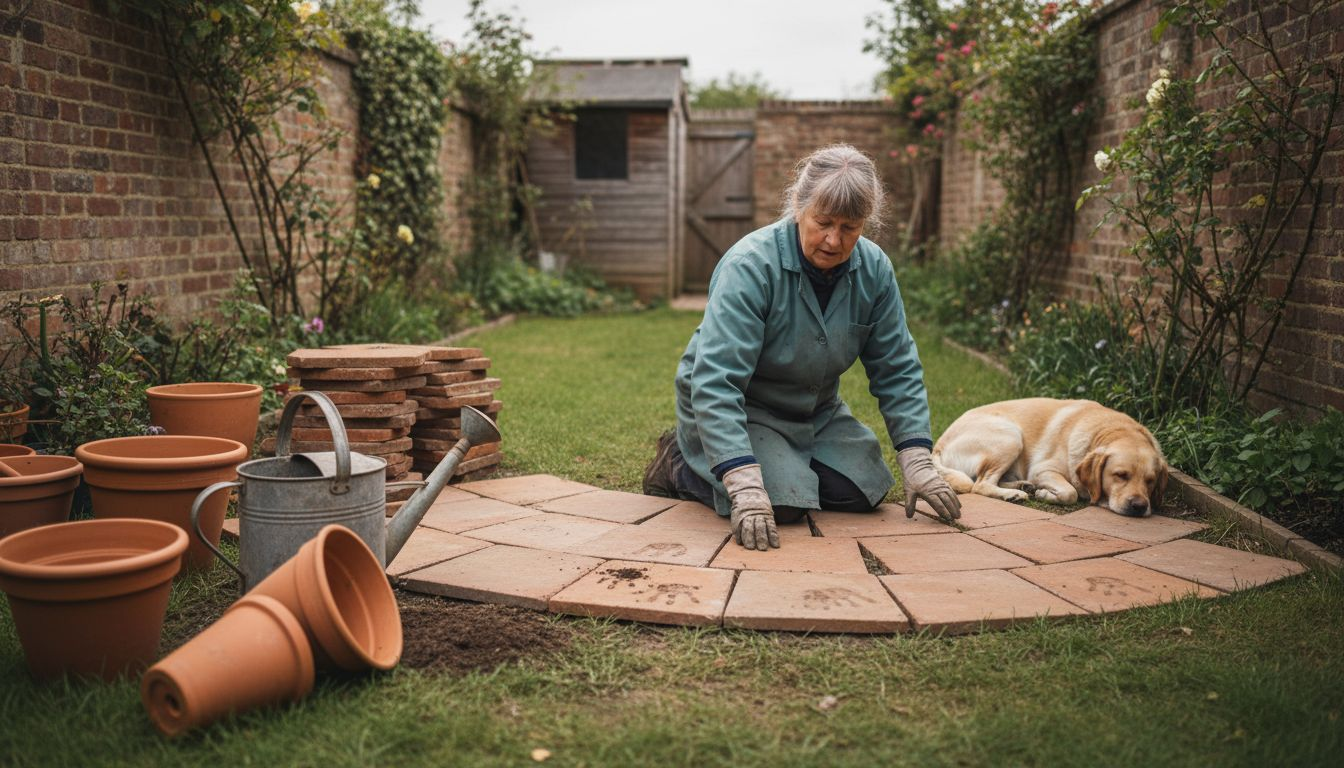
Garden and outdoor applications represent another exceptional domain for full-bodied tiles. British gardens, often experiencing unpredictable weather conditions, require flooring solutions that can endure rapid temperature changes, moisture, and potential frost. Patios, terraces, and garden pathways become transformed with full-bodied tiles that seamlessly blend durability with design flexibility. These tiles can create stunning visual continuity between indoor and outdoor spaces, enabling homeowners to design cohesive environments that extend living areas and enhance property aesthetics.
Below is a summary of key practical applications for full-bodied tiles in British properties:
| Area | Main Benefit | Environmental Challenge |
|---|---|---|
| Kitchen/Bathroom | Moisture resistance | Frequent cleaning |
| Hallway/Entrance | Withstands heavy footfall | Grime, abrasion |
| Patio/Garden Path | Handles weather extremes | Rain and frost |
| Commercial Spaces | Preserves visual appeal | Continuous traffic |
Pro Tip - Design Continuity: When selecting full-bodied tiles for interconnected spaces, choose colour palettes and textures that create a harmonious visual flow between indoor and outdoor areas, maximising your property’s aesthetic potential.
Budget Considerations and Maintenance Needs
Investing in full-bodied tiles requires a comprehensive understanding of both initial expenditure and long-term maintenance strategies. Examining tile maintenance protocols reveals that while the upfront costs might be marginally higher than standard alternatives, the reduced lifetime maintenance expenses make these tiles an economically prudent choice for British homeowners.
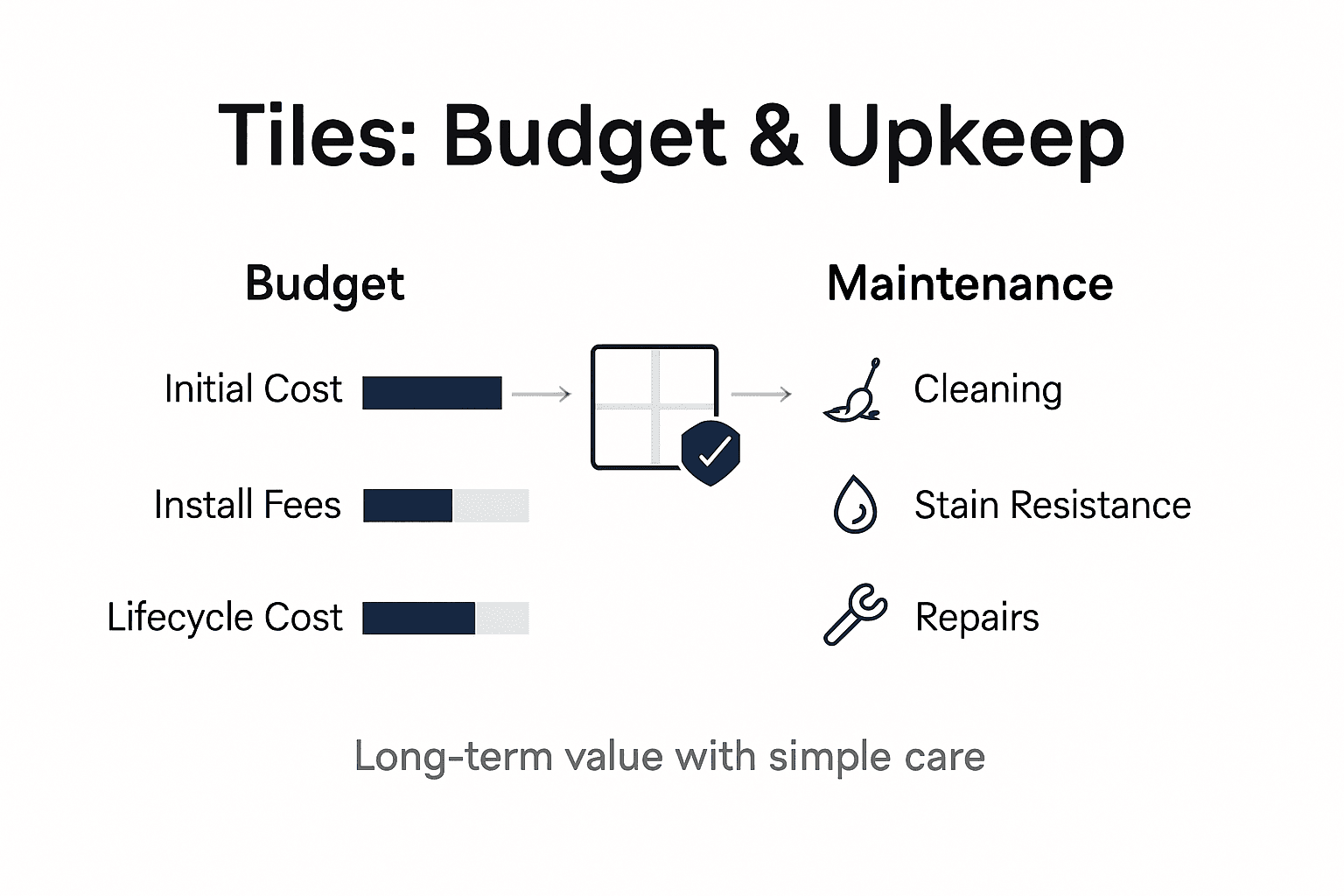
The financial landscape of full-bodied tiles encompasses multiple considerations beyond purchase price. Their inherent durability means fewer replacement cycles, translating to significant long-term savings. Installation costs remain comparable to traditional tiling, but the enhanced wear resistance ensures that high-traffic areas maintain their aesthetic integrity without requiring frequent repairs or complete renovations. Homeowners can expect reduced expenditure on cleaning products, as the through-body composition allows for more straightforward maintenance and greater resistance to staining and surface degradation.
Maintenance requirements for full-bodied tiles are remarkably straightforward, making them an attractive option for budget-conscious households. Regular cleaning with pH-neutral detergents, periodic sweeping, and occasional deep cleaning are typically sufficient to preserve their appearance and structural integrity. The consistent material composition eliminates concerns about surface layer wear, meaning that chips, scratches, and general use do not compromise the tile’s visual appeal or functionality. This durability translates directly into reduced maintenance costs and extended periods between significant home improvement investments.
Pro Tip - Budget Planning: Calculate your total tile lifecycle cost by considering purchase price, installation expenses, and anticipated maintenance requirements, rather than focusing solely on initial purchase price.
Common Mistakes to Avoid When Selecting
Selecting full-bodied tiles requires careful consideration to prevent costly errors that can compromise your renovation project. Identifying potential tiling installation pitfalls reveals critical insights into avoiding common mistakes that British homeowners frequently encounter during tile selection and implementation.
One significant error homeowners make involves underestimating the importance of proper substrate preparation and environmental compatibility. Many individuals choose tiles without thoroughly assessing their specific space requirements, leading to premature wear, moisture penetration, and potential structural damage. Critical factors such as slip resistance, thermal expansion characteristics, and load-bearing capacity must be meticulously evaluated. Wet areas like bathrooms and kitchens demand tiles with specific anti-slip properties, while outdoor spaces require materials capable of withstanding significant temperature fluctuations and moisture exposure.
Another frequent oversight occurs when homeowners prioritise aesthetic appeal over functional performance. While visual design remains crucial, full-bodied tiles require comprehensive evaluation beyond surface appearance. This includes examining tile density, water absorption rates, chemical resistance, and long-term durability. Professionals recommend obtaining multiple samples, conducting thorough on-site assessments, and consulting expert installers to understand the nuanced performance characteristics of different tile types. Ignoring these technical specifications can result in premature deterioration, unexpected maintenance costs, and potential safety risks in high-traffic or moisture-prone environments.
Pro Tip - Sample Strategy: Always collect and compare multiple tile samples under various lighting conditions and against your specific space’s environmental conditions before making a final selection.
Discover Durable Full-bodied Tiles for Your UK Home Renovation
Choosing the right flooring can be challenging especially when you need tiles that combine impact resistance and lasting beauty. If you are concerned about high foot traffic, moisture exposure or outdoor durability full-bodied tiles offer a practical solution with consistent through-body colour and exceptional wear resistance. At Vividotiles.co.uk we understand the importance of matching tile material to your unique space ensuring you find affordable premium options without compromising quality or style.

Explore our wide selection of porcelain natural stone and outdoor tiles that perfectly complement the benefits of full-bodied tiles discussed in the article. Whether you want to upgrade your kitchen hallway or garden path take advantage of our free UK delivery and easy online shopping experience. Visit Vividotiles.co.uk today and bring durability together with design to transform your home. Start browsing our collections and find your ideal tile solution now.
Frequently Asked Questions
What are full-bodied tiles and how are they different from regular tiles?
Full-bodied tiles are ceramic or porcelain tiles that have a uniform colour and material composition throughout their entire thickness. Unlike regular surface-glazed tiles, full-bodied tiles maintain consistent properties from top to bottom, ensuring durability and aesthetic integrity even if the surface is chipped or worn.
Are full-bodied tiles suitable for high-traffic areas?
Yes, full-bodied tiles are exceptionally well-suited for high-traffic areas due to their remarkable durability and resistance to wear and damage. They can withstand significant mechanical stress, making them ideal for locations such as kitchens, hallways, and commercial spaces.
How do full-bodied tiles perform in outdoor environments?
Full-bodied tiles demonstrate excellent performance in outdoor settings, withstanding extreme weather conditions, temperature fluctuations, and moisture. Their consistent material composition ensures that they remain aesthetically pleasing and functional even in harsh outdoor climates.
What maintenance do full-bodied tiles require?
Full-bodied tiles require minimal maintenance. Regular cleaning with pH-neutral detergents, occasional deep cleaning, and routine sweeping are usually sufficient to maintain their appearance and structural integrity. Their durability means they are less prone to staining and surface damage than other tile types.