
Eco-Friendly Tiles Explained: Sustainable Choices for Homes
Most british homeowners and designers now recognise that building sustainably depends on materials as much as design choices. With over 80 percent of household waste in the United Kingdom linked to construction and renovation, eco-friendly tiles can make an immediate impact. Discover what sets truly sustainable tiles apart and how making informed choices brings lasting style and genuine environmental benefits to residential renovations across North Yorkshire.
Table of Contents
- What Makes Tiles Eco-Friendly? Key Principles
- Types of Eco-Friendly Tiles and Their Benefits
- Manufacturing Standards and UK Regulations
- Comparing Sustainability: Tiles Versus Other Options
- Selecting and Caring for Eco-Friendly Tiles
Key Takeaways
| Point | Details |
|---|---|
| Eco-Friendly Tile Principles | Eco-friendly tiles focus on sustainable sourcing, durability, low toxicity, and recycling potential, helping minimise environmental impact. |
| Types of Eco-Friendly Tiles | Various types, including ceramic, porcelain, recycled glass, and natural stone, each offer unique environmental benefits and long lifespans. |
| UK Manufacturing Standards | UK regulations ensure eco-friendly production through standards that assess sustainability, material safety, and lifecycle impact. |
| Selection and Care | When choosing tiles, consider material composition and manufacturing processes, and maintain them with biodegradable cleaners to preserve sustainability. |
What Makes Tiles Eco-Friendly? Key Principles
Eco-friendly tiles represent a thoughtful approach to sustainable home design, focusing on materials and manufacturing processes that minimise environmental impact. Sustainable tile production prioritises raw material selection, energy efficiency, and lifecycle considerations that reduce carbon footprints.
The fundamental principles of eco-friendly tiles centre on four key aspects: sustainable sourcing, durability, low environmental toxicity, and potential for recycling or reuse. Natural materials like clay and sand form the foundation, with manufacturers increasingly exploring ways to reduce waste and energy consumption during production. Some tiles now incorporate recycled materials, such as glass or industrial by-products, further enhancing their environmental credentials.
Key characteristics of eco-friendly tiles include:
- Sourcing materials from sustainable, low-impact extraction processes
- Using locally available raw materials to reduce transportation emissions
- Manufacturing techniques that minimise water and energy consumption
- Production in facilities powered by renewable energy sources
- Tiles designed for long-term durability, reducing replacement frequency
Pro tip: When selecting eco-friendly tiles, request environmental certifications and ask manufacturers about their sustainability practices to ensure you’re making a genuinely green choice.
Types of Eco-Friendly Tiles and Their Benefits
Ceramic tiles represent a cornerstone of sustainable home design, offering remarkable environmental credentials. These tiles are typically crafted from natural clay materials that are abundant, biodegradable, and capable of creating beautiful, long-lasting surfaces with minimal ecological impact.
The primary categories of eco-friendly tiles include:
- Ceramic Tiles: Made from natural clay, requiring lower firing temperatures
- Porcelain Tiles: Dense, durable tiles with exceptional longevity
- Recycled Glass Tiles: Manufactured from repurposed glass materials
- Reclaimed Tiles: Restored vintage tiles that prevent waste
- Natural Stone Tiles: Sourced from sustainable quarrying practices
Each tile type offers unique environmental benefits. Ceramic tiles, for instance, have inherently low embodied energy due to their natural composition and efficient manufacturing processes. Recycled glass tiles prevent waste by transforming discarded materials into stunning design elements, while natural stone tiles can be sourced responsibly with minimal processing requirements.
Here’s a summary comparing different eco-friendly tile types and their long-term environmental impacts:
| Tile Type | Longevity | Resource Efficiency | End-of-life Options |
|---|---|---|---|
| Ceramic | 30+ years | Low energy use | Easily recyclable |
| Porcelain | 40+ years | High durability | Potential for reuse |
| Recycled Glass | 25+ years | Made from repurposed glass | Can be recycled again |
| Reclaimed Tiles | Variable, often 50+ years | Utilises existing materials | Reduces landfill, often reused |
| Natural Stone | 50+ years | Limited processing | Reusable and long-lasting |
Pro tip: Before purchasing eco-friendly tiles, request detailed environmental certifications and investigate the manufacturer’s sustainability credentials to ensure you’re making a genuinely green choice.
Manufacturing Standards and UK Regulations
UK building regulations play a critical role in ensuring sustainable tile manufacturing processes. These comprehensive guidelines establish stringent requirements for environmental performance, material sourcing, and overall ecological impact of construction materials, including ceramic and porcelain tiles.
The key regulatory standards for eco-friendly tile production in the United Kingdom include:
- BS ISO 17889-1: Governing sustainability practices in ceramic tile manufacturing
- Environmental Performance Standards: Measuring carbon emissions and resource consumption
- Material Safety Regulations: Ensuring non-toxic production processes
- Lifecycle Assessment Requirements: Evaluating environmental impact from production to disposal
- Energy Efficiency Guidelines: Monitoring and reducing manufacturing energy consumption
Manufacturers must navigate a complex landscape of compliance, demonstrating commitment to sustainable practices through transparent reporting and adherence to national environmental benchmarks. This involves detailed documentation of raw material sourcing, production energy consumption, waste management strategies, and overall carbon footprint reduction efforts.
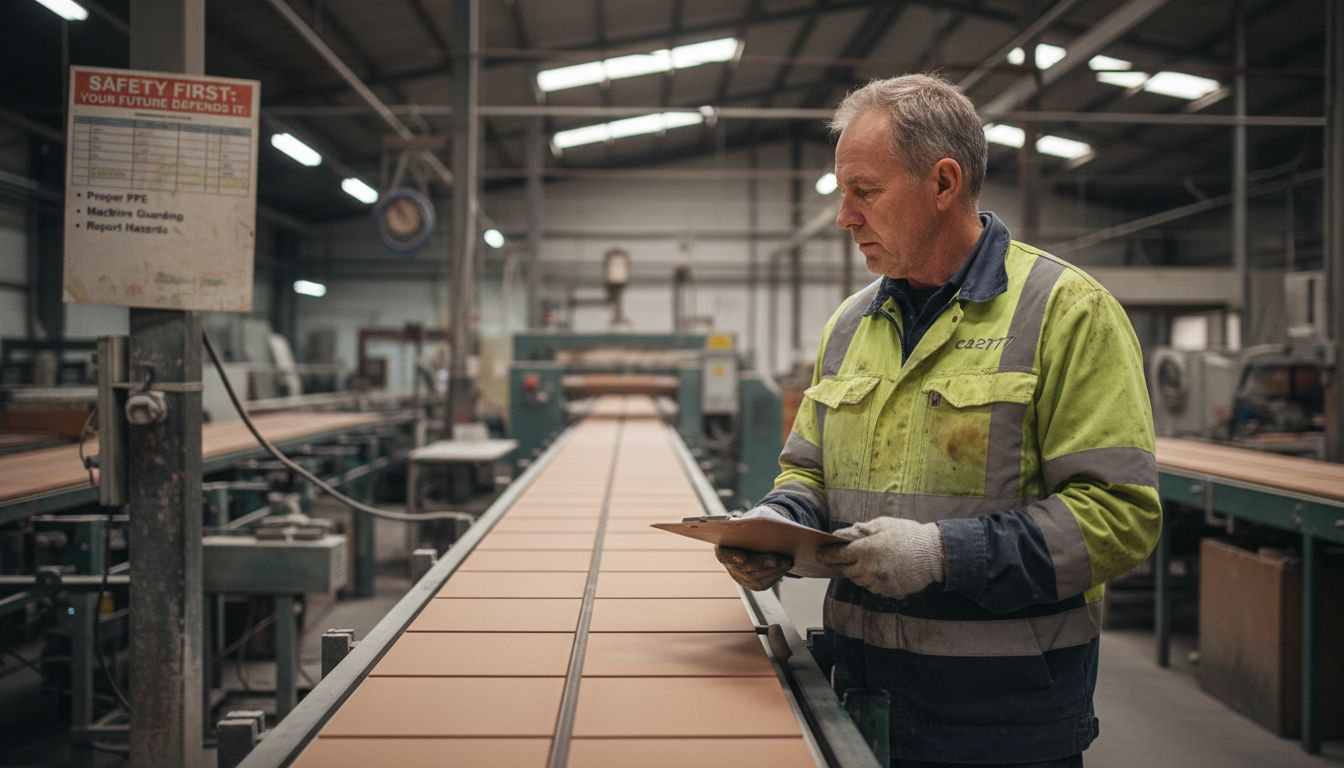
The following table outlines important UK standards and certifications relevant to eco-friendly tile manufacturing:
| Standard or Certification | Purpose | Impact on Sustainability |
|---|---|---|
| BS ISO 17889-1 | Sustainable ceramic tile production | Ensures eco-friendly practices |
| Environmental Performance Standards | Measures carbon emissions | Limits resource consumption |
| Material Safety Regulations | Non-toxic materials | Reduces environmental toxicity |
| Lifecycle Assessment | Full lifecycle evaluation | Supports low-impact design |
Pro tip: When selecting tiles, request manufacturers’ environmental compliance certificates and independently verified sustainability reports to validate their ecological credentials.
Comparing Sustainability: Tiles Versus Other Options
Comparative flooring studies reveal significant environmental advantages of ceramic tiles over alternative flooring materials. Natural material-based options like ceramic and stone tiles consistently outperform synthetic alternatives in long-term sustainability metrics, offering superior durability and reduced environmental impact.
Key sustainability comparisons between tiles and other flooring options include:
- Ceramic Tiles: Lowest lifecycle carbon footprint
- Vinyl Flooring: High embodied carbon, petroleum-based materials
- Carpets: Frequent replacement, microplastic shedding
- Wooden Flooring: Variable sustainability depending on sourcing
- Laminate: Mixed recyclability, shorter lifespan
Ceramic tiles demonstrate remarkable environmental credentials through exceptional longevity, minimal maintenance requirements, and negligible waste generation. Unlike carpet or vinyl, which degrade quickly and contribute to landfill waste, high-quality ceramic tiles can maintain structural integrity for decades, significantly reducing resource consumption and replacement frequency.
Pro tip: Calculate the total lifecycle cost of your flooring by comparing initial investment, maintenance expenses, and expected replacement intervals to make a truly sustainable choice.
Selecting and Caring for Eco-Friendly Tiles
Sustainable tile selection requires careful consideration of material origin, manufacturing processes, and long-term environmental impact. Homeowners seeking eco-friendly options must evaluate tiles beyond mere aesthetic appeal, focusing on their comprehensive sustainability credentials.
Key factors to consider when selecting eco-friendly tiles include:
- Material Composition: Prioritise natural or recycled materials
- Manufacturing Process: Assess carbon footprint and energy consumption
- Durability: Choose tiles with extended lifecycle
- Local Sourcing: Minimise transportation emissions
- Recyclability: Ensure potential for future reuse
Maintenance plays a crucial role in preserving the sustainability of tiles. Avoid harsh chemical cleaners that can degrade tile surfaces or release toxic substances. Instead, opt for mild, biodegradable cleaning solutions and soft cleaning tools that protect the tile’s integrity while maintaining its appearance. Regular gentle cleaning prevents build-up of dirt and reduces the need for intensive restoration treatments.
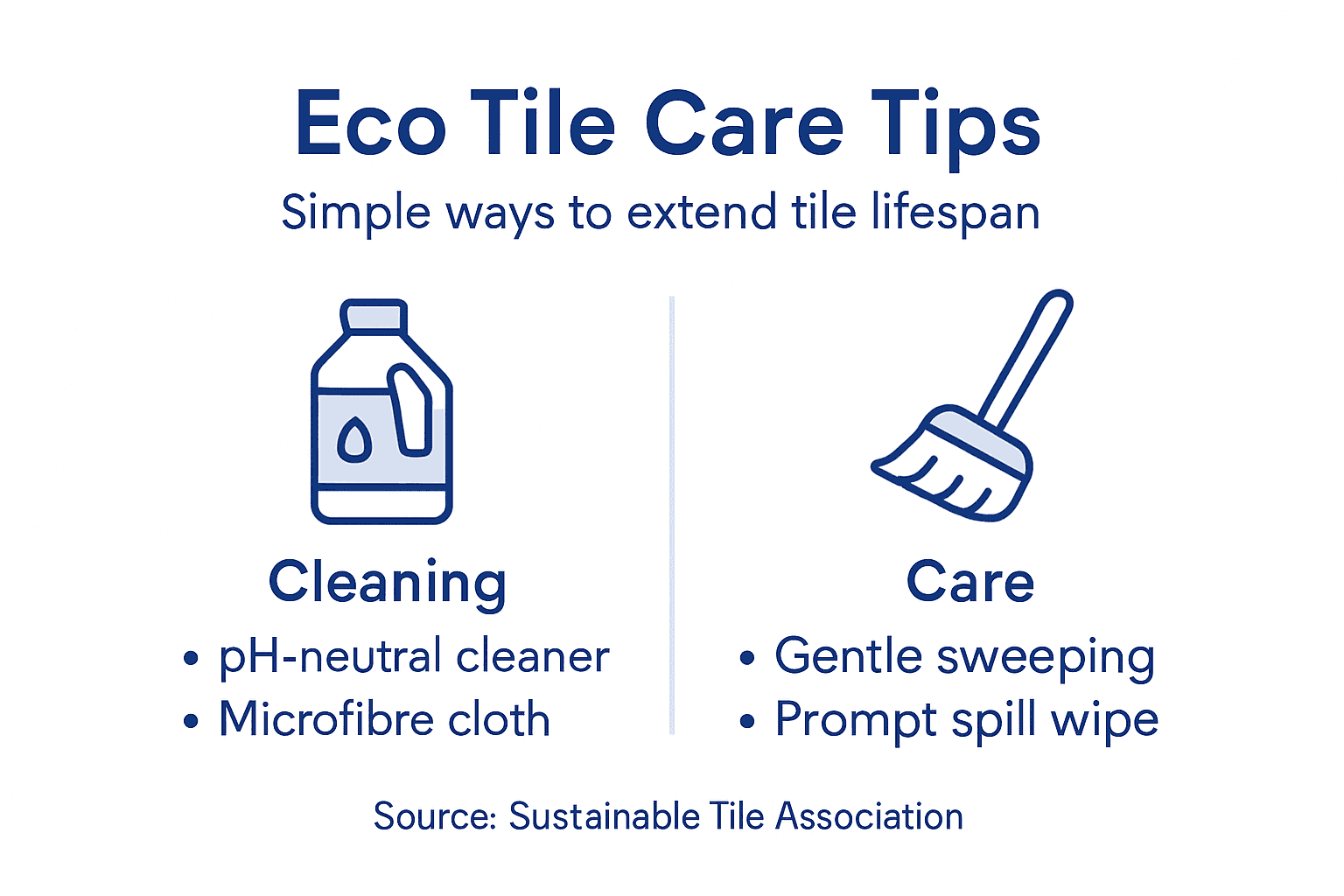
Pro tip: Invest in microfibre cleaning cloths and pH-neutral cleaning solutions to maintain your eco-friendly tiles without compromising their environmental credentials.
Discover Sustainable Style with Eco-Friendly Tiles from Vivido Tiles
Choosing eco-friendly tiles means prioritising sustainability, durability, and low environmental impact for your home or commercial space. The challenge many face is finding premium quality tiles made with responsible sourcing and production standards without compromising style or budget. At Vivido Tiles, we understand these goals and offer a wide selection of ceramic and porcelain tiles, natural stone options, and reclaimed styles that align perfectly with your green ambitions.
Experience the difference of tiles crafted with sustainability in mind alongside affordable prices and free UK delivery. Whether you seek long-lasting porcelain tiles or recycled glass-inspired designs, our collection at Vivido Tiles ensures you can create stunning interiors that respect the planet.

Take the next step towards an eco-conscious home today by exploring our curated tile range and visiting our new showroom in Harrogate for hands-on inspiration. Start your journey with eco-friendly tile solutions made easy and affordable. Shop now and embrace timeless quality with a sustainable touch.
Frequently Asked Questions
What are eco-friendly tiles made from?
Eco-friendly tiles are typically made from natural materials such as clay and sand. They may also incorporate recycled materials like glass or industrial by-products to enhance their sustainability.
How do I know if tiles are truly eco-friendly?
To ensure tiles are genuinely eco-friendly, request environmental certifications from manufacturers and inquire about their sustainability practices, including sourcing, manufacturing processes, and waste management strategies.
What are the benefits of using ceramic tiles compared to other flooring options?
Ceramic tiles have a lower lifecycle carbon footprint, higher durability, and reduced maintenance needs compared to synthetic options like vinyl flooring or carpets, which often degrade quickly and contribute to landfill waste.
How should I maintain eco-friendly tiles to preserve their sustainability?
Maintain eco-friendly tiles by using mild, biodegradable cleaning solutions and soft cleaning tools to protect their integrity. Regular gentle cleaning prevents dirt build-up, reducing the need for harsh or intensive restoration treatments.