
7 Best Tiles for Wet Areas: Expert Tips for UK Homes
7 Best Tiles for Wet Areas: Expert Tips for UK Homes
Tiles for wet areas: over 60 percent of British homeowners say flooring choices directly impact comfort and long-term value in their wet areas. From kitchens to bathrooms, the right tile not only elevates style but also stands up to daily moisture challenges. With so many options available, understanding what sets each tile apart can help you create safer, more beautiful spaces that truly suit the unique demands of British homes.
Table of Contents
- Porcelain Tiles: Durable And Water-Resistant Choice
- Ceramic Tiles: Affordable Option For Wet Spaces
- Natural Stone Tiles: Stylish And Practical Solutions
- Anti-Slip Tiles: Essential For Safety In Wet Zones
- Marble Effect Tiles: Elegant Look With Easy Care
- Wood Effect Tiles: Warmth And Low Maintenance
- Patterned Tiles: Adding Personality To Wet Areas
Quick Summary
| Key Message | Explanation |
|---|---|
| 1. Choose Porcelain Tiles for Wet Areas | They provide excellent water resistance and durability, making them ideal for bathrooms and kitchens. |
| 2. Consider Anti-Slip Tiles for Safety | Anti-slip tiles minimise slip hazards in wet zones, crucial for families with young children or elderly members. |
| 3. Patterns Enhance Aesthetic Appeal | Patterned tiles can transform wet areas into vibrant, stylish spaces, reflecting personal style and creativity. |
| 4. Invest in Natural Stone for Luxury | Natural stone tiles offer unique aesthetics but require maintenance to preserve their beauty and functionality. |
| 5. Evaluate Water Resistance of Ceramic Tiles | While more affordable, ceramic tiles are less water-resistant; choose carefully for consistent moisture exposure. |
1. Porcelain Tiles: Durable and Water-Resistant Choice
When it comes to wet areas in your home, porcelain tiles stand out as a supremely practical and robust flooring solution. These remarkable tiles offer unparalleled water resistance and durability, making them an exceptional choice for bathrooms, kitchens, and other moisture-prone spaces.
Porcelain tiles are engineered through an advanced manufacturing process that involves firing clay at extremely high temperatures, resulting in an incredibly dense and non porous material. This unique composition makes them significantly more water resistant than traditional ceramic tiles. By understanding porcelain tile features and benefits, homeowners can appreciate why these tiles are a top recommendation for wet environments.
Key Advantages of Porcelain Tiles:
- Water Resistance: Less than 0.5% water absorption rate
- Durability: Harder and more scratch resistant than standard ceramic tiles
- Low Maintenance: Easy to clean and resistant to staining
- Versatility: Available in numerous designs mimicking natural stone, wood, and contemporary finishes
For British homes with challenging humidity levels, porcelain tiles provide an intelligent flooring solution that combines aesthetic appeal with exceptional functionality. Their robust nature means they can withstand heavy foot traffic, frequent moisture exposure, and temperature fluctuations without compromising their structural integrity or visual appeal.
When selecting porcelain tiles for wet areas, consider factors like slip resistance, tile thickness, and surface texture to ensure optimal performance and safety. Professional installation by experienced tilers can further enhance their water-resistant properties and longevity.
2. Ceramic Tiles: Affordable Option for Wet Spaces
Ceramic tiles represent an accessible and budget friendly solution for homeowners seeking practical wet area flooring. While they may not match porcelain tiles in water resistance, ceramic tiles still offer valuable benefits for various moisture prone spaces in British homes.
Understanding practical examples of ceramic tiles helps homeowners make informed decisions about their flooring choices. These tiles are manufactured through a traditional firing process that creates a durable surface suitable for moderately wet environments like kitchen splashbacks, bathroom walls, and low traffic wet areas.
Key Characteristics of Ceramic Tiles:
- Cost Effective: Significantly cheaper than porcelain or natural stone alternatives
- Versatile Design: Available in numerous colours, patterns, and finishes
- Moderate Water Resistance: Suitable for areas with occasional moisture exposure
- Easy Installation: Lighter weight makes them simpler to work with during renovation
However, homeowners should be aware that ceramic tiles have limitations in extremely wet spaces. Their higher water absorption rate means they are more susceptible to moisture damage compared to porcelain tiles. For areas with constant water exposure, such as shower floors or outdoor patios, additional waterproofing measures or alternative tile selections might be recommended.
When selecting ceramic tiles for wet spaces, prioritise tiles with glazed finishes and consider professional sealing to enhance their water resistance and longevity. Proper installation and maintenance can significantly extend the performance of these affordable tiling solutions.
3. Natural Stone Tiles: Stylish and Practical Solutions
Natural stone tiles bring timeless elegance and unparalleled sophistication to wet areas in British homes. These exquisite tiles offer a premium aesthetic that transforms ordinary spaces into luxurious environments while providing unique functional benefits.
Homeowners can explore everything they need to know about natural stone tiles to make informed decisions about their home design. From marble and travertine to limestone and slate, natural stone tiles provide remarkable versatility and character that synthetic materials cannot replicate.
Key Advantages of Natural Stone Tiles:
- Unique Aesthetic: Each tile features distinctive natural patterns and colour variations
- Durability: Robust material that withstands heavy foot traffic
- Temperature Regulation: Naturally cool surface perfect for British summers
- Increased Property Value: Premium material that enhances home appearance
While natural stone tiles represent a significant investment, with prices ranging from £40 to £100 per square metre, they require consistent maintenance to preserve their beauty. Periodic sealing every six to twelve months helps protect against water damage and staining, ensuring these tiles remain a stunning feature in wet areas like bathrooms and kitchens.
For optimal performance in moisture rich environments, select stone varieties with lower porosity such as granite or slate. Professional installation and regular maintenance are crucial to maximising the longevity and appearance of these remarkable tiles.
4. Anti-Slip Tiles: Essential for Safety in Wet Zones
Safety should be the top priority when selecting tiles for wet areas in your home, particularly in bathrooms, kitchens, and utility spaces where water accumulation creates potential slip hazards. Anti-slip tiles provide an intelligent solution to minimise accident risks for families across the United Kingdom.
Understanding how to choose slip-resistant tiles for safe surfaces can significantly reduce the likelihood of accidents, especially for households with young children or elderly family members.
Key Features of Anti-Slip Tiles:
- Textured Surface: Provides superior traction when wet
- Safety Ratings: Measured by R-value (R9 to R13) and PEI classifications
- Versatile Design: Available in multiple styles and finishes
- Targeted Protection: Ideal for bathrooms, shower areas, and wet rooms
The science behind anti-slip tiles involves carefully engineered surface textures that interrupt water flow and create friction. Professional tile manufacturers use sophisticated techniques to create microscopic grooves and patterns that significantly improve grip, even when surfaces are wet.
When selecting anti-slip tiles, homeowners should pay close attention to their specific R-value rating. Tiles with higher R-values offer enhanced slip resistance, with R13 rated tiles providing the most comprehensive protection for consistently wet environments. Professional installation and proper maintenance will further ensure the long term safety and performance of these specialised tiles.
5. Marble Effect Tiles: Elegant Look with Easy Care
Marble effect tiles represent a sophisticated solution for homeowners seeking luxury aesthetics without the maintenance challenges of authentic marble. These innovative porcelain tiles capture the timeless elegance of natural stone while offering superior practicality for modern British homes.
Homeowners can transform their space with polished marble effect porcelain tiles that provide stunning visual appeal with remarkable durability.
Key Benefits of Marble Effect Tiles:
- Low Maintenance: Easier to clean than genuine marble
- Versatile Design: Suitable for walls and floors
- Cost Effective: Significantly cheaper than natural stone
- Durable Finish: Resistant to scratches and water damage
Modern manufacturing techniques allow these tiles to replicate the intricate veining and subtle colour variations of authentic marble. Large format tiles with matt or polished finishes provide designers and homeowners with incredible flexibility for creating sophisticated interior spaces.
When selecting marble effect tiles, consider factors like room lighting, existing decor, and specific functional requirements. Grey marble effect tiles work particularly well in contemporary settings, offering a neutral palette that complements multiple design styles while maintaining a sense of understated luxury.
6. Wood Effect Tiles: Warmth and Low Maintenance
Wood effect tiles offer homeowners a sophisticated solution that combines the aesthetic warmth of natural timber with the practical durability of modern ceramic technology. These innovative tiles provide the visual charm of wooden flooring without the traditional maintenance challenges associated with real wood surfaces.
Homeowners can explore why wood effect tiles are an excellent choice for home design and discover their versatile applications across different living spaces.
Key Benefits of Wood Effect Tiles:
- Water Resistance: Unlike genuine wood, they perform exceptionally in wet areas
- Easy Cleaning: Simple maintenance without specialised treatments
- Durability: Resistant to scratches, dents, and moisture damage
- Versatile Design: Available in multiple wood grain patterns and colour tones
Modern manufacturing techniques have dramatically improved wood effect tile realism, creating surfaces that closely mimic the texture, grain, and subtle colour variations of authentic hardwood. These tiles are particularly suitable for bathrooms, kitchens, and other areas prone to moisture where traditional wooden flooring would deteriorate.
When selecting wood effect tiles, consider factors such as room lighting, existing decor, and specific functional requirements. Lighter oak and ash tones work brilliantly in contemporary spaces, while deeper walnut and mahogany effects create a more traditional ambience.
7. Patterned Tiles: Adding Personality to Wet Areas
Patterned tiles offer an extraordinary opportunity to transform mundane wet areas into vibrant, personalised spaces that reflect individual style and creativity. These dynamic design elements go far beyond mere functional surfaces, enabling homeowners to craft truly distinctive interiors that tell a unique visual story.
Homeowners can discover inspiring examples of tile patterns for every space to understand how these decorative surfaces can dramatically enhance room aesthetics.
Key Benefits of Patterned Tiles:
- Visual Interest: Break up monotonous design schemes
- Artistic Expression: Create focal points in bathrooms and kitchens
- Versatility: Available in geometric, floral, and contemporary designs
- Practical Camouflage: Hide water spots and minor imperfections
Modern manufacturing techniques have revolutionised patterned tile production, offering an incredible range of designs that suit every aesthetic preference. From subtle geometric patterns to bold Mediterranean inspired motifs, these tiles can instantly elevate the character of wet areas such as bathrooms, shower spaces, and kitchen splashbacks.
When selecting patterned tiles, consider the overall room colour palette and existing design elements. Smaller patterns work wonderfully in compact spaces, while larger, more dramatic designs can make a powerful statement in more expansive wet areas.
Below is a comprehensive table summarising the various tile options discussed throughout the article, highlighting their benefits and ideal applications.
| Tile Type | Key Benefits | Ideal Applications |
|---|---|---|
| Porcelain Tiles | Superior water resistance; durable and low maintenance. | Bathrooms, kitchens, high traffic wet areas. |
| Ceramic Tiles | Cost-effective; versatile designs; easy to install. | Moderately wet areas like kitchen splashbacks. |
| Natural Stone Tiles | Unique aesthetics; temperature regulation; durable. | Luxurious wet areas; increases property value. |
| Anti-Slip Tiles | Textured for traction; high safety ratings. | Bathrooms, showers, wet rooms. |
| Marble Effect Tiles | Easy maintenance; elegant designs; durable. | Walls and floors in areas seeking luxury look. |
| Wood Effect Tiles | Water-resistant; easy to clean; warm appearance. | Wet areas like bathrooms and kitchens. |
| Patterned Tiles | Adds visual interest; versatile designs. | Bathrooms, kitchens, creative wet areas. |
Discover the Perfect Wet Area Tiles with Vivido Tiles
Choosing the right tiles for wet areas in your UK home can be challenging. Water resistance, durability, safety, and style all matter when selecting porcelain, ceramic, natural stone, or anti-slip tiles. You want flooring that stands up to moisture, looks stunning, and keeps your family safe. This article highlights these essential factors and explains why tiles like porcelain or marble effect are particularly suited for wet zones.
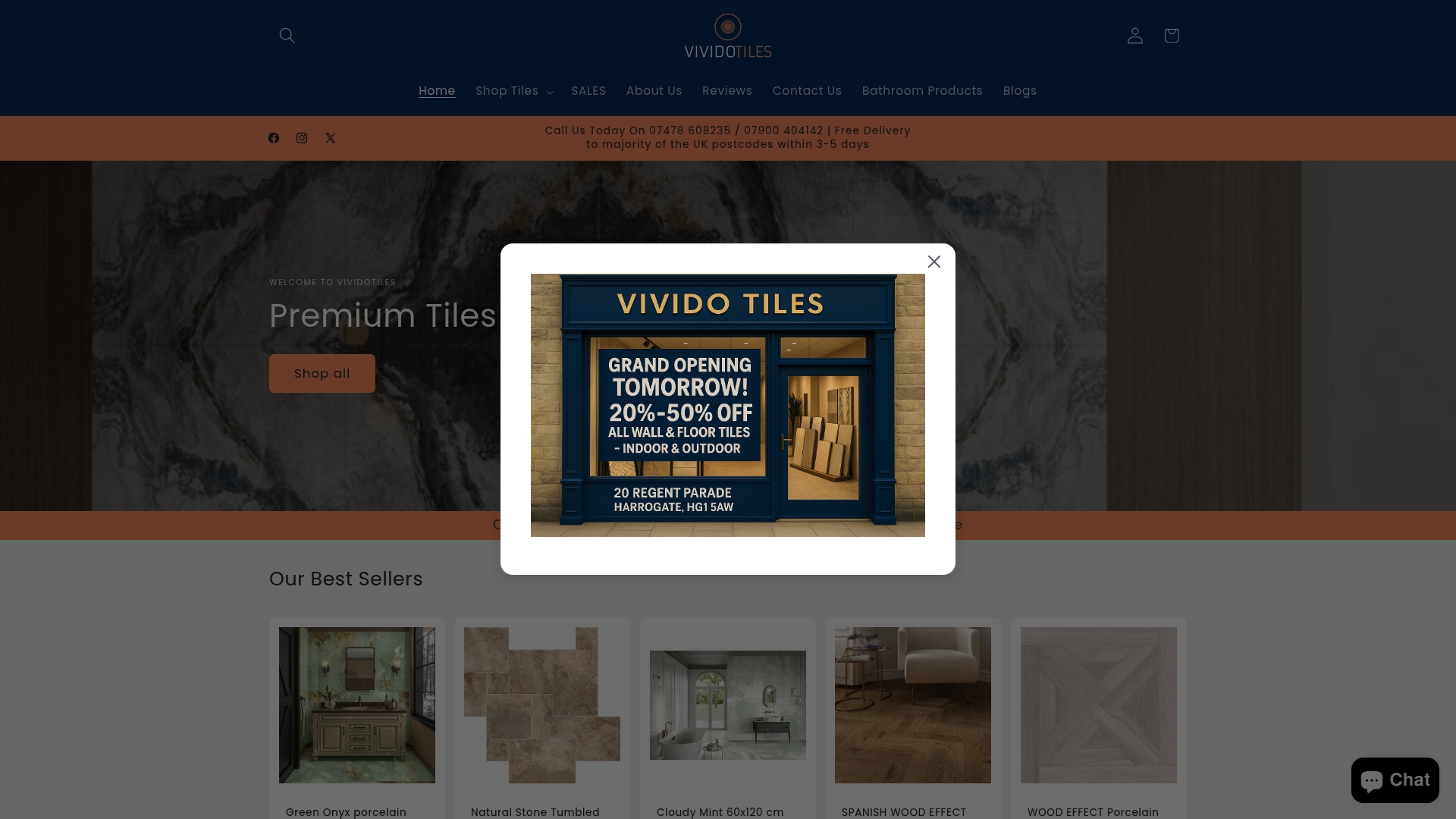
At Vivido Tiles, we understand these concerns and offer a wide selection of premium tiles expertly designed for wet environments. Whether you want the elegance of marble effect tiles or the robust practicality of porcelain tiles, our collection balances quality with affordability. Visit our newly opened tile showroom in Harrogate or explore online today to find your ideal wet area tiles with free UK delivery, expert advice, and exclusive prices. Take the next step to transform your wet spaces into beautiful, safe, and long-lasting areas now.
Frequently Asked Questions
What are the key advantages of using porcelain tiles in wet areas?
Porcelain tiles offer excellent water resistance, durability, and low maintenance, making them ideal for wet areas like bathrooms and kitchens. To choose the right tiles, look for options with low water absorption rates and consider professional installation to optimise their performance.
How do I choose the right ceramic tiles for areas with moisture exposure?
When selecting ceramic tiles, prioritise those with glazed finishes to enhance their moisture resistance. Additionally, consider professional sealing to protect tiles, especially in spaces prone to occasional moisture, such as kitchen splashbacks or bathroom walls.
What maintenance is required for natural stone tiles in wet areas?
Natural stone tiles require periodic sealing every six to twelve months to protect against water damage and staining. To maintain their beauty, regularly clean the tiles with appropriate products and avoid abrasive cleaners that may damage the stone’s surface.
How can I select anti-slip tiles for my bathroom or kitchen?
To ensure safety in wet areas, select anti-slip tiles with higher R-value ratings, as these indicate better slip resistance. Look for tiles that feature textured surfaces designed to provide traction even when wet; this can significantly reduce the risk of accidents.
What benefits do wood effect tiles offer for wet areas?
Wood effect tiles combine the aesthetic appeal of natural timber with exceptional water resistance and durability. Choose these tiles for areas like bathrooms and kitchens where traditional wood would suffer from moisture exposure, and enjoy easy cleaning without specialised treatments.
How can I incorporate patterned tiles into my wet area design?
Incorporating patterned tiles can add visual interest and personality to wet areas. When selecting patterns, consider the overall room colour palette; smaller patterns are ideal for compact spaces while larger designs can create a bold statement in larger areas.